
Can you make a fleece blanket without sewing? Yes, you absolutely can! Making a no-sew fleece blanket is a fantastic project for beginners, offering a cozy and personalized way to stay warm without any complicated stitches. This guide will walk you through the simple steps to create your very own tie fleece blanket, a popular and easy-to-make item.
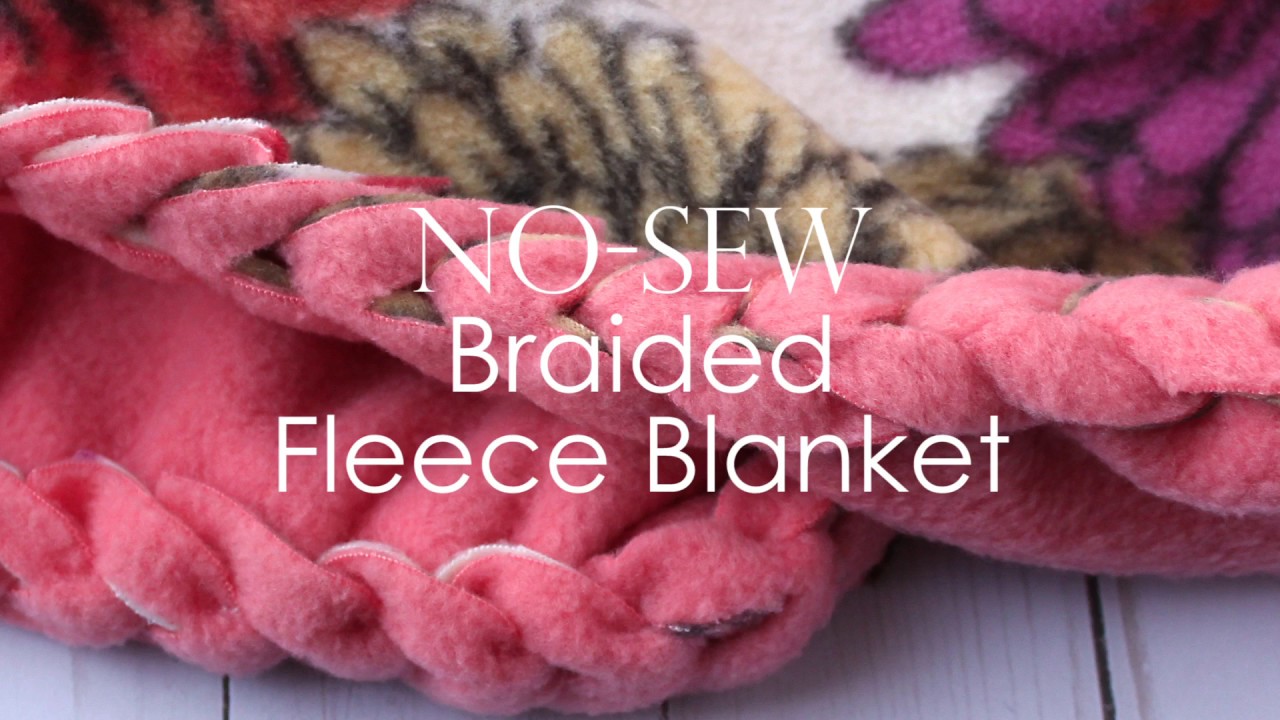
Image Source: i.ytimg.com
Why Choose a No-Sew Fleece Blanket?
For anyone looking for a quick and rewarding craft, a no-sew tie blanket is the perfect solution. It eliminates the need for sewing machines, needles, and thread, making it accessible to everyone, regardless of crafting experience. Plus, fleece fabric is soft, warm, and forgiving, making it ideal for this type of project. Whether you’re making a gift or creating a cozy addition to your own home, a fleece blanket no sew is a delightful undertaking.
Gathering Your Materials
Before you start, ensure you have all the necessary supplies. This makes the process smoother and more enjoyable.
Essential Supplies:
- Fleece Fabric: You’ll need two pieces of fleece fabric. The size depends on the blanket you want. For a throw blanket, 1.5 to 2 yards of each fabric is common. For a baby blanket, 1 yard of each will suffice. It’s best to choose fleece fabrics with different patterns or colors for a visually appealing result.
- Sharp Scissors or Rotary Cutter: Sharp tools make cutting through the thick fleece much easier. A rotary cutter with a self-healing mat can be more precise, but good scissors work perfectly well.
- Ruler or Measuring Tape: For accurate cutting and marking.
- Fabric Marker or Chalk: To mark your cutting lines. A washable fabric marker is ideal.
- Optional: A Straight Edge or Quilting Ruler: This helps ensure your cuts are perfectly straight, especially if using a rotary cutter.
Choosing Your Fleece Fabric:
Fleece comes in many varieties. For a DIY fleece blanket no sew, consider these popular types:
- Polar Fleece: This is the most common and affordable type. It’s soft, warm, and durable.
- Microfleece: This is lighter and softer than polar fleece, making it great for baby blankets.
- Sherpa Fleece: This has a fluffy, wool-like texture on one side, adding extra warmth and a luxurious feel. It’s often paired with regular fleece for a reversible effect.
Tip: When buying fleece, check that it doesn’t fray too much. Most fleece fabrics are designed to resist fraying, but it’s always good to be aware.
Step-by-Step: Creating Your No-Sew Tie Blanket
This section will detail each step involved in making your no-sew fleece blanket. Follow these instructions carefully for a beautiful finished product.
Step 1: Preparing the Fabric
- Lay Out Your Fabric: Place your two pieces of fleece fabric on a large, flat surface, such as a table or the floor. Make sure the fabric is smooth and wrinkle-free.
- Align the Fabrics: Lay one piece of fleece on top of the other. It’s crucial that the right sides (the sides with the pattern or the “nicer” side) are facing outward on both pieces. This way, when you tie the fringes, the inside of the blanket will have the tied knots visible. If you’re using two fabrics with different colors or patterns, decide which side you want to be the “top” and which will be the “bottom” of your finished blanket. Place the top fabric down, then the bottom fabric on top of that, with their right sides touching.
- Smooth and Straighten: Gently smooth out both layers of fabric to remove any creases or puckers. Ensure the edges are aligned as precisely as possible. This is important for even fringe cutting.
Step 2: Trimming the Edges
After aligning your fabrics, you’ll need to trim them to create a neat edge for your fringes.
- Align the Corners: Carefully match up all four corners of the two fleece pieces. Make sure the edges are as flush as possible.
- Trim Excess Fabric: If your fabric pieces are not perfectly the same size, or if they have selvage edges (the factory-finished edge that can sometimes be stiff), trim them so they are identical. Aim for a clean, straight edge all around.
Step 3: Cutting the Corner Squares
This is a critical step for creating the fringe. You’ll be cutting out squares from each corner. The size of these squares will determine the length of your fringe.
- Measure and Mark: Using your ruler and fabric marker, measure and mark a square in each of the four corners. A common size for these squares is 4 inches by 4 inches. This will create 4-inch long fringe pieces. If you want shorter fringe, use a smaller square (e.g., 3×3 inches). If you want longer fringe, use a larger square (e.g., 5×5 inches).
- Cut Out the Squares: Once marked, carefully cut out each of the four squares. You will be cutting through both layers of fabric at the same time. Ensure your cuts are precise to maintain symmetry.
- Cutting Tip: You can make a single straight cut from one corner to the diagonally opposite corner of your marked square to remove both layers at once.
Step 4: Cutting the Fringe Strips
Now, you’ll cut the strips that will become the ties for your no-sew fringe fleece blanket.
- Measure and Mark: Along each of the four sides, measure and mark vertical lines. These lines should be the same width as the squares you cut out from the corners. For example, if you cut 4-inch squares, you’ll mark lines every 4 inches along the sides.
- Cut the Strips: Starting from the edge and cutting towards the center (where the corner square was removed), cut along each marked line. Again, you’ll be cutting through both layers of fabric simultaneously. Stop your cut at the edge of the corner square you removed.
- Consistency is Key: Try to keep the width of these fringe strips consistent. This will make the tying process easier and result in a neater finish. A good width for the strips is usually 1 inch.
Here’s a table to help visualize the process:
| Action | Description |
|---|---|
| Fabric Preparation | Lay two fleece pieces right sides facing each other, smooth, and align edges. |
| Corner Squares | Measure and cut a square (e.g., 4×4 inches) from each of the four corners, cutting through both fabric layers. |
| Fringe Strips | Along each side, cut vertical strips (e.g., 1 inch wide) from the outer edge towards the center, stopping at the edge of the corner square. |
Step 5: Tying the Knots
This is the final step that brings your blanket tying fleece together and completes your no-sew tie blanket.
- Start Tying: Pick up one of the fringe strips from the top layer and its corresponding strip from the bottom layer.
- Make a Knot: Bring the two strips together and tie them in a double knot. Pull the knot snugly, but not so tight that it puckers the fabric.
- Continue Tying: Work your way around all four sides of the blanket, tying each pair of fringe strips. Move systematically from one pair to the next.
- Corner Knots: Pay special attention to the corners. You will have four fringe strips meeting at each corner (two from one side, two from the adjacent side). Tie these together in a secure double knot. This ensures the corners are neatly finished.
Pro Tip for Tying: Some people find it easier to tie the fringe on two opposite sides first, then move to the remaining two sides. Others prefer to work their way around continuously. Experiment to see what works best for you.
Variations and Creative Ideas for Your No-Sew Fleece Blanket
Once you’ve mastered the basic no-sew fleece blanket, you can explore different variations to make your creation even more unique.
H3: No-Sew Fringe Fleece Blanket with Different Fringe Lengths
You don’t have to stick to one fringe length. You can create a more decorative look by varying the length of your fringe strips. For instance, you could cut wider strips along the sides and narrower strips at the corners. Just remember to adjust your knotting accordingly.
H3: No-Sew Tie Blanket with Decorative Cuts
Instead of simple straight cuts for your fringe, get creative! You can cut the fringe into points, curves, or even little V-shapes. This adds a subtle decorative touch to your DIY fleece blanket no sew.
H3: Using Different Fabric Combinations
The beauty of a no-sew fleece blanket is the endless possibilities with fabric.
- Themed Blankets: Use fabrics with characters or patterns for children’s blankets.
- Seasonal Blankets: Choose festive prints for holidays.
- Sophisticated Designs: Opt for muted colors or elegant patterns for adult blankets.
- Reversible Delight: Combine a patterned fabric with a solid color or a textured fabric like sherpa for a luxurious feel.
H3: Larger or Smaller Blankets
The beauty of this easy no-sew fleece project is its scalability.
- Baby Blankets: Use smaller fabric pieces (e.g., 36 inches x 45 inches).
- Lap Blankets: A good size is often 50 inches x 60 inches.
- Twin/Full Size Blankets: You’ll need wider fabric or will need to join multiple pieces, which might require some basic sewing for a neat finish, or you can simply continue the no-sew fringe method across the join if you’re feeling adventurous! However, for a true beginner no-sew blanket tutorial, sticking to single pieces of fabric is recommended.
Troubleshooting Common Issues in No-Sew Blankets
Even the simplest projects can sometimes present challenges. Here are a few common issues and how to resolve them when making your no-sew blanket instructions.
H4: Uneven Fringe
Problem: Some fringe strips are wider or narrower than others.
Solution: This usually happens if the cutting wasn’t perfectly straight or consistent. When tying, try to make the knots as uniform as possible. If the difference is very noticeable, you can carefully trim any excessively wide strips with sharp scissors to match their neighbors.
H4: Puckering or Gapping
Problem: The edges of the blanket look bunched up (puckered) or have gaps between the tied fringes.
Solution:
* Puckering: This often means the knots are pulled too tightly. Gently loosen the knots slightly.
* Gapping: This can occur if the knots are too loose or if the fringe strips aren’t quite long enough. Try to ensure a firm double knot, and make sure you’re cutting your corner squares and fringe strips accurately.
H4: Fabric Slipping During Cutting
Problem: The two layers of fleece slide around, making it hard to cut accurately.
Solution: Use binder clips or large sewing pins to hold the layers together as you cut. Place them just inside your marked lines, so they don’t interfere with your cuts.
Caring for Your No-Sew Fleece Blanket
Once your beautiful no-sew tie blanket is finished, you’ll want to keep it looking its best.
- Washing: Machine wash your fleece blanket in cold or warm water on a gentle cycle.
- Drying: Tumble dry on low heat or air dry. Avoid high heat, as it can melt or damage the fleece fibers.
- Fringe Maintenance: The fringe will likely stay tied. If any ties come undone, simply re-tie them with a double knot. You can also gently brush the fringe with your fingers to keep it looking neat.
Frequently Asked Questions (FAQ) About No-Sew Fleece Blankets
Here are answers to some common questions people have about making these blankets.
Q1: What is the best type of fleece for a no-sew blanket?
A: Polar fleece is a popular choice because it’s readily available, affordable, and easy to work with. Microfleece is softer and lighter, great for babies. Sherpa adds extra warmth and a plush texture. Any anti-pill fleece will resist developing little balls of fuzz over time.
Q2: Can I make a no-sew blanket with different sized fabric pieces?
A: For a beginner, it’s best to use two fabric pieces that are exactly the same size and shape. If your pieces aren’t perfectly aligned, you’ll have uneven fringe or gaps. You can trim the larger piece to match the smaller one before you start cutting your corner squares.
Q3: How long does it take to make a no-sew fleece blanket?
A: For a beginner, a standard throw-sized blanket (around 50×60 inches) can take anywhere from 1 to 3 hours, depending on your cutting speed and how quickly you tie the knots. Smaller blankets will naturally take less time.
Q4: Where can I buy fleece fabric?
A: Fleece fabric is widely available at most fabric stores, craft stores like Michaels or Joann, and large retailers like Walmart. You can also find a vast selection online from sites like Amazon, Etsy, or fabric-specific retailers.
Q5: Do I need special scissors for cutting fleece?
A: While you don’t need special scissors, a very sharp pair of fabric scissors or a rotary cutter will make the job much easier and give you cleaner cuts. Dull scissors can snag and pull the fleece, resulting in a less polished look for your no-sew fringe fleece blanket.
Q6: Can I make a no-sew blanket with just one piece of fleece?
A: No, a no-sew tie blanket requires two pieces of fabric. The tying method uses the edges of both pieces to create the secure knots that hold the blanket together.
Conclusion: Your Cozy, Handmade Creation
Making a no-sew fleece blanket is an incredibly rewarding and straightforward craft. It’s a perfect project for a lazy afternoon, a fun activity with kids, or a thoughtful handmade gift. With just a few simple materials and these easy-to-follow no-sew blanket instructions, you can create a beautiful, cozy, and personalized fleece blanket that will be cherished for years to come. So, gather your fleece, grab your scissors, and enjoy the process of bringing your easy no-sew fleece creation to life!