
Can you load a bobbin on a Singer sewing machine easily? Yes, absolutely! Learning how to load a bobbin on your Singer sewing machine is a fundamental skill that opens up a world of creative possibilities. Whether you’re a complete beginner or looking to refresh your knowledge, this guide will walk you through the process step-by-step. We’ll cover everything from identifying the right bobbin to ensuring perfect stitches.
Singer sewing machines are renowned for their reliability and ease of use, and the bobbin winding process is no exception. A properly wound bobbin is crucial for smooth sewing, preventing skipped stitches and ensuring even tension. This guide focuses on the common methods and components you’ll encounter when winding a bobbin Singer style.
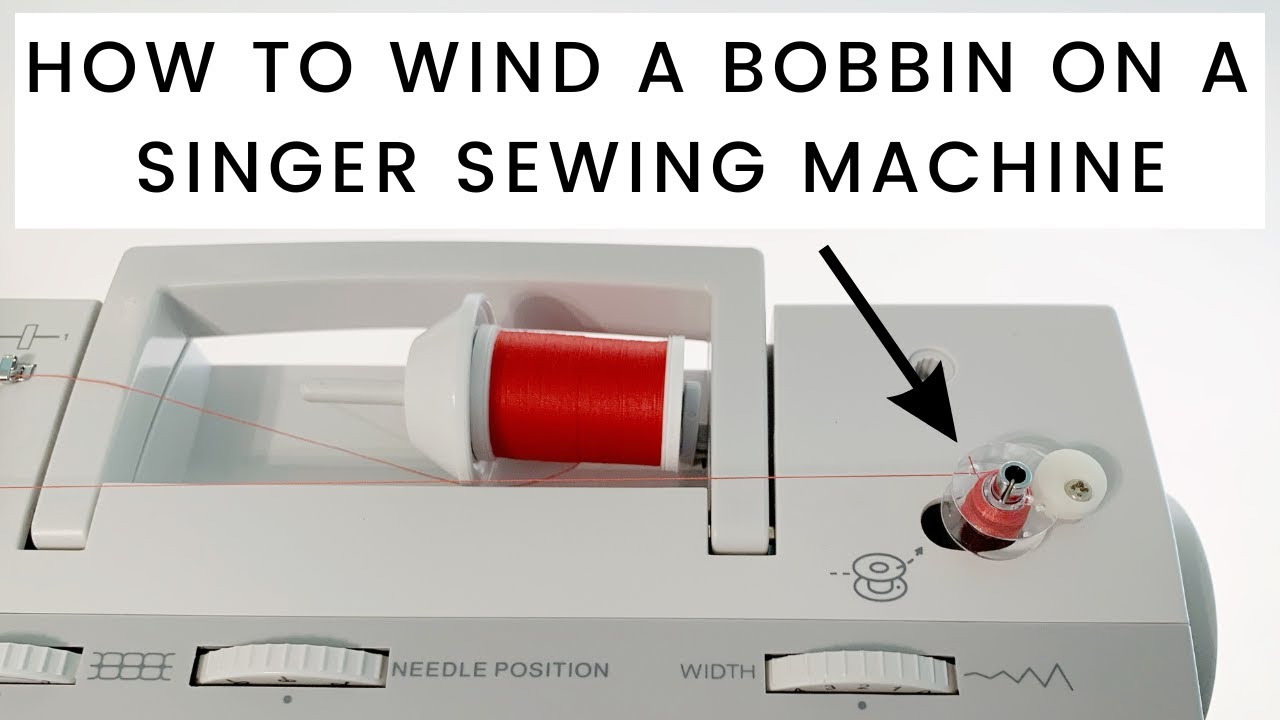
Image Source: i.ytimg.com
Why a Properly Wound Bobbin Matters
Before we dive into the “how,” let’s touch on the “why.” A bobbin is the small spool that holds the lower thread in your sewing machine. When you sew, the upper thread interlocks with the bobbin thread, creating the stitch. If your bobbin is wound unevenly, too loosely, or too tightly, it can cause a multitude of sewing problems.
- Skipped Stitches: Uneven winding can lead to the thread snagging or breaking, resulting in missed stitches.
- Thread Breakage: If the thread is wound too tightly, it can stretch and break during sewing.
- Uneven Tension: A poorly wound bobbin can cause the bobbin thread to pull too much or too little, leading to puckering or loopy stitches.
- Jamming: In worst-case scenarios, a bad bobbin can cause the machine to jam.
Getting the Singer bobbin winding right means your sewing experience will be much more enjoyable and productive.
Essential Components for Bobbin Winding
To successfully load a bobbin on your Singer, you’ll need to be familiar with a few key parts of your sewing machine.
The Singer Bobbin Spindle
This is the thin rod or peg where you place the bobbin to wind it. It’s usually spring-loaded or has a movable part to secure the bobbin. You’ll also find a Singer bobbin spindle for the main spool of thread.
The Singer Bobbin
This is the small spool that holds the lower thread. Singer machines often come with plastic or metal bobbins. It’s important to use the correct type of bobbin specified for your Singer model. Using the wrong bobbin can cause performance issues.
The Thread Guide and Tension Disc
As the thread travels from the spool to the bobbin, it passes through a series of guides and a tension disc. This disc applies slight pressure to the thread, ensuring it winds evenly onto the bobbin.
The Bobbin Winder Stopper (or Tension)
This mechanism helps to stop the winding process once the bobbin is full. It might be a metal piece that pushes against the bobbin or a lever that disengages the winder. You’ll often find a Singer bobbin stopper that helps control the winding process.
The Bobbin Assembly
This refers to the entire setup of the bobbin, the bobbin case (if applicable), and how it fits into the machine. For bobbin winding, we’re primarily concerned with the mechanism that spins the bobbin.
Preparing for Singer Bobbin Winding
Before you start winding a bobbin Singer, some preparation ensures a smooth process.
1. Choose the Right Bobbin
Singer machines are designed to work with specific types of bobbins. Check your machine’s manual or the existing bobbins to identify the correct size and type. They are usually made of plastic or metal and may have a specific way they fit onto the bobbin winder. Using an incorrect bobbin can lead to sewing problems.
2. Select Your Thread
The thread you use on the bobbin should ideally match the thread you’ll use in the needle. This ensures balanced tension and consistent stitch quality. For general sewing, a good quality all-purpose polyester thread is a great choice. The Singer bobbin thread should be smooth and strong.
3. Thread the Bobbin Winder
This is where the Singer bobbin winding truly begins.
- Place the Spool of Thread: Put your spool of thread onto the main spool pin of your sewing machine.
- Thread the Winder Path: Follow the numbered or indicated thread path for bobbin winding. This path is often different from the needle threading path. It usually involves guiding the thread through a small metal eyelet or loop near the spool pin, then through a thread guide, and finally through the tension disc on the bobbin winder unit. Some machines have a separate tension spring for the bobbin winder.
- Secure the Thread End: You might need to use a small piece of tape to secure the thread to the bobbin, especially at the beginning, to prevent it from unraveling.
Step-by-Step Guide: How to Wind a Bobbin on a Singer Sewing Machine
Now, let’s get down to the practical steps of how to wind a bobbin sewing machine.
Step 1: Place the Bobbin on the Bobbin Spindle
Locate the bobbin winder spindle. This is usually a separate spindle, often positioned near the spool pin or on top of the machine. Push the spindle to the side (it might be spring-loaded) and slide the empty bobbin onto it. Ensure the bobbin is seated correctly, with the thread coming off the spool in the direction indicated by your machine’s diagram. The Singer bobbin spindle is designed to hold the bobbin securely.
Step 2: Guide the Thread Through the Winder Tension
Bring the end of the thread from the spool and guide it through the bobbin winding thread path. Crucially, loop the thread through the tension mechanism for the bobbin winder. This is often a small spring or a set of discs. Make sure the thread sits correctly in the groove of the tension discs. This is a vital part of filling a bobbin Singer properly.
Step 3: Secure the Thread Tail
To prevent the thread from unwinding and getting tangled, tuck the tail end of the thread into the small holes or slots on the side of the bobbin. Some people prefer to hold the tail firmly for the first few wraps.
Step 4: Engage the Bobbin Winder
Most Singer machines have a switch or a lever to engage the bobbin winder. Sometimes, you need to push the bobbin winder spindle towards the flywheel. Check your machine’s diagram.
Step 5: Begin Winding
Gently press the foot pedal to start the motor. The bobbin will begin to spin.
- Initial Wraps: Hold the thread tail for the first few rotations until it’s securely wrapped onto the bobbin.
- Guide the Thread: As the bobbin winds, you may need to use your finger to guide the thread back and forth across the bobbin. This ensures an even wind. Many modern Singer machines have an automatic thread guide that moves for you.
- Monitor the Wind: Keep an eye on how evenly the thread is filling the bobbin. The goal is for the thread to be distributed uniformly across the bobbin’s surface, not bunched up on one side or leaving gaps.
Step 6: Stop the Winding
The bobbin winder has a mechanism to stop automatically when the bobbin is full. This could be a stopper that pushes against the bobbin, slowing and stopping the mechanism. Alternatively, you might need to stop by lifting your foot off the pedal yourself when you see the bobbin is full. The Singer bobbin stopper is a helpful feature for achieving an even wind.
Step 7: Disengage the Bobbin Winder
Once the winding is complete, disengage the bobbin winder. This usually involves pushing the bobbin winder spindle back to its original position.
Step 8: Trim the Thread and Remove the Bobbin
Cut the thread from the spool. Gently remove the freshly wound bobbin from the spindle. You now have a ready-to-use bobbin!
What If My Singer Machine Has a Horizontal Bobbin Case?
Many modern Singer machines use a horizontal, top-loading bobbin system. The Singer bobbin case is integrated directly into the machine, and you don’t remove it to wind a bobbin. Here’s how to wind a bobbin in this system:
Preparing for Winding
- Spool Placement: Place your spool of thread on the spool pin.
- Thread Path: Follow the thread path marked on your machine for bobbin winding. This typically goes through guides and a tension disc specifically for the bobbin winder.
- Insert Empty Bobbin: Take an empty bobbin and place it onto the bobbin winder spindle. This spindle is usually located on the top or side of the machine. The flat side of the bobbin usually faces the spindle.
Winding the Bobbin
- Thread the Bobbin: Bring the thread from the spool through the designated thread path. Then, thread it through the small hole on the side of the empty bobbin.
- Secure the Tail: Hold the thread tail firmly against the bobbin.
- Engage Winder: Push the bobbin winder spindle to the engaged position (this will typically move the needle out of the way or engage a clutch).
- Start Winding: Gently press the foot pedal. The bobbin will start to wind.
- Guide the Thread: As the bobbin winds, guide the thread back and forth across the bobbin to ensure an even fill. Many machines have an automatic thread guide.
- Stop Winding: The machine will stop automatically when the bobbin is full, or you can stop it manually by lifting your foot from the pedal.
- Disengage and Remove: Disengage the bobbin winder spindle and remove the wound bobbin.
The Singer bobbin assembly in these machines is designed for convenience, making filling a bobbin Singer a simple task.
Troubleshooting Common Bobbin Winding Issues
Even with clear instructions, you might encounter a few hiccups. Here are some common problems and how to solve them.
Problem: Bobbin Winds Unevenly (Bunched or Too Loose)
- Cause: Thread not guided correctly, or tension too loose.
- Solution:
- Ensure you are guiding the thread through all the correct guides and the tension discs for bobbin winding.
- Try holding the thread tail firmly for the first few rotations.
- If your machine has adjustable bobbin tension, ensure it’s not set too loosely.
- For machines with manual thread guiding, actively guide the thread back and forth across the bobbin.
Problem: Bobbin Stops Winding Prematurely
- Cause: Bobbin stopper not engaged correctly, or the thread is too tight on the bobbin.
- Solution:
- Check if the bobbin is seated correctly on the Singer bobbin spindle.
- Ensure the bobbin winder is fully engaged.
- Sometimes, if the thread is wound too tightly, it can trick the automatic stopper. Try easing the tension slightly.
Problem: Thread Snaps During Winding
- Cause: Old or damaged thread, or tension is too high.
- Solution:
- Use fresh, good-quality thread.
- Check the bobbin winder tension. If it’s adjustable, try reducing it slightly.
- Ensure the thread isn’t snagging on anything as it travels to the bobbin.
Problem: Bobbin Spins Freely, but No Thread is Winding
- Cause: Thread not properly threaded through the tension discs or the bobbin itself.
- Solution:
- Re-thread the entire bobbin winding path, paying close attention to the tension discs.
- Ensure the thread tail is securely held or tucked into the bobbin.
Table: Singer Bobbin Winding Quick Reference
| Component/Action | Description | Key Point for Success |
|---|---|---|
| Singer Bobbin Spindle | Rod where the bobbin is placed for winding. | Ensure bobbin is securely seated. |
| Empty Bobbin | Holds the lower thread. | Use the correct type and size for your Singer machine. |
| Thread Tension Disc | Applies slight pressure to the thread for even winding. | Thread must pass through the disc’s groove. |
| Thread Guide | Directs the thread along the winding path. | Follow the marked path precisely. |
| Singer Bobbin Stopper | Mechanism to stop winding when the bobbin is full. | Ensures an even, consistent wind. |
| Singer Bobbin Thread | The thread wound onto the bobbin. | Should be smooth and of good quality. |
| Bobbin Winder Engagement | Activating the mechanism to spin the bobbin. | Usually a lever or pushing the spindle. |
| Even Winding | Distributing thread uniformly across the bobbin. | Guide the thread manually or ensure automatic guide works. |
| Thread Tail Management | Securing the beginning thread. | Tuck into bobbin holes or hold for first few wraps. |
| Horizontal Bobbin System | Modern top-loading system where bobbin case is built-in. | Winding happens on a spindle separate from the needle area. |
| Vertical Bobbin System | Older or different systems where the bobbin case is removable. | Bobbin winding mechanism may differ slightly. |
Tips for Perfect Bobbin Winding
- Cleanliness is Key: Ensure the bobbin area and the bobbin winder mechanism are free of lint and old thread.
- Slow and Steady: Don’t rush the process. Starting slowly helps achieve a more even wind.
- Manual Guide (If Needed): If your machine doesn’t have an automatic thread guide, use your finger to guide the thread back and forth. Move your finger slowly from one end of the bobbin to the other as it fills.
- Don’t Overfill: Overfilling can cause problems with tension and thread snagging. The Singer bobbin stopper usually prevents this, but be aware.
- Store Bobs: Once wound, store your bobbins in a bobbin case or a clear plastic organizer to keep them from unraveling and getting mixed up.
Frequently Asked Questions (FAQ)
Q1: What kind of bobbin should I use for my Singer sewing machine?
A1: You should use the bobbin type specified in your Singer sewing machine’s manual. Singer machines typically use either plastic or metal bobbins, and they must be the correct size and shape for your specific model to ensure proper function.
Q2: How do I know when my bobbin is full?
A2: Most Singer machines have an automatic bobbin winder stopper that halts the winding process once the bobbin is full. If your machine doesn’t have this feature, stop winding when the bobbin looks evenly filled, leaving a small space at the top to prevent thread from catching.
Q3: Can I use any thread to wind my bobbin?
A3: While you can technically wind any thread, it’s best to use a good quality thread that matches the thread you will use in the needle. This ensures balanced tension and prevents skipped stitches or puckering.
Q4: My bobbin is winding unevenly. What can I do?
A4: Uneven winding can happen if the thread isn’t guided properly through the tension discs or if you’re not manually guiding the thread across the bobbin (if your machine doesn’t have an automatic guide). Ensure the thread path is correct and try to guide the thread evenly yourself.
Q5: What is the purpose of the bobbin tension discs?
A5: The tension discs on the bobbin winder apply a slight pressure to the thread. This pressure is crucial for winding the thread smoothly and evenly onto the bobbin, preventing it from becoming too loose or too tightly wound.
Q6: My Singer bobbin winder isn’t working. What should I check?
A6: First, ensure the bobbin winder spindle is properly engaged. Check that the thread is threaded correctly through the winder’s tension mechanism. Also, confirm that the machine is in the correct mode for bobbin winding (often this disengages the needle mechanism). If problems persist, consult your machine’s manual or contact a Singer service center.
Mastering the art of how to wind a bobbin on a Singer sewing machine is a rewarding step in your sewing journey. By following these straightforward steps, you’ll be well on your way to creating beautiful, professional-looking stitches with ease. Happy sewing!