
So, you’re wondering how to use a sewing machine Singer Simple? Yes, you absolutely can! This machine is designed for beginners, making it straightforward to learn and use for your first sewing projects.
The Singer Simple sewing machine is a fantastic starting point for anyone eager to dive into the world of sewing. It’s a no-fuss, reliable machine that handles basic stitches and projects with ease. Whether you’re looking to hem a pair of pants, create simple home decor, or even start making your own clothes, the Singer Simple is up to the task. This guide will walk you through everything you need to know to get started, from the initial setup to common troubleshooting tips.
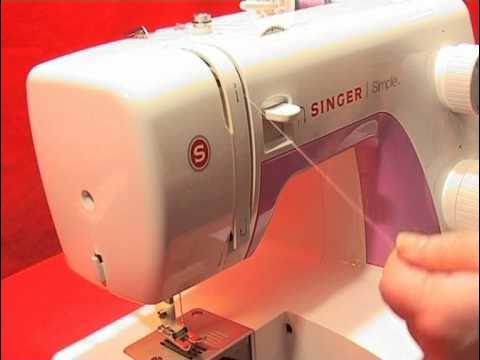
Image Source: i.ytimg.com
Singer Simple Setup: Getting Ready to Sew
Before you can create any beautiful stitches, you need to get your Singer Simple machine ready. This involves a few key steps to ensure everything is in place and functioning correctly.
Unboxing and Placement
- Open the Box: Carefully remove the sewing machine and all its accessories from the packaging. Keep the box and packing materials handy in case you need to store or transport the machine.
- Find a Good Spot: Choose a stable, flat surface for your machine, like a sturdy table or sewing desk. Ensure there’s enough space around it for you to work comfortably and access the foot pedal and power cord.
- Check for Accessories: Lay out all the included accessories. You’ll typically find a power cord, foot pedal, bobbins, needles, a seam ripper, and various presser feet. Familiarize yourself with what came with your machine.
Connecting Power and Foot Pedal
- Attach the Power Cord: Locate the power input on the back or side of the Singer Simple. Plug one end of the power cord into the machine and the other into a wall outlet.
- Connect the Foot Pedal: The foot pedal controls the machine’s speed. Plug the foot pedal cord into the designated port on the Singer Simple, usually located on the back or side.
Turning On the Machine
Once everything is connected, you can turn on the machine. There’s usually a power switch, often located near where the power cord plugs in. Flip the switch to the “on” position. The machine’s light should illuminate, indicating it’s ready to go.
Singer Simple Threading: Guiding the Thread
Threading a sewing machine might seem tricky at first, but the Singer Simple is designed to make it as simple as possible. Following the numbered guides on the machine is key.
Upper Threading
- Raise the Presser Foot: Always ensure the presser foot is in the highest position before you start threading. This opens the tension discs, allowing the thread to pass through correctly.
- Place the Spool: Put your spool of thread onto the spool pin. It’s usually located at the top of the machine. Make sure the thread is unwinding smoothly from the spool.
- Follow the Numbers: Your Singer Simple machine will have numbered guides printed directly on it. These are your roadmap for threading.
- Guide 1: Take the thread and bring it down around the first thread guide.
- Guide 2 (Take-Up Lever): Bring the thread up and then down through the eye of the take-up lever. This is a crucial step.
- Guide 3: Continue threading down, passing through the tension discs. You should feel a slight resistance as the thread goes between them.
- Guide 4: Guide the thread down through the lower thread guide.
- Guide 5 (Needle Guide): Make sure the thread goes through the final guide just above the needle.
- Thread the Needle: The Singer Simple often has a needle threader. If yours does, follow its specific instructions. Otherwise, thread the needle from front to back. Leave a tail of about 4-6 inches of thread.
Singer Simple Bobbin Winding: Preparing the Bobbin
A bobbin holds the lower thread that completes the stitch. Winding a bobbin is a straightforward process.
- Place Bobbin on Winder: Remove the bobbin winder spindle (usually a small metal or plastic peg on the right side of the machine). Place the empty bobbin onto the spindle.
- Secure the Thread: Take the end of your thread from the spool and pass it through the small hole in the bobbin.
- Engage Bobbin Winder: Push the bobbin winder spindle to the right. This engages the bobbin winder mechanism.
- Start Winding: Hold the end of the thread taut, and gently press the foot pedal. The bobbin will start to wind. Once a few wraps have gone around, you can trim the excess thread tail close to the bobbin.
- Fill the Bobbin: Continue to press the foot pedal. Wind the bobbin until it’s evenly filled, but don’t overfill it, as this can cause problems. Many machines will stop automatically, or you can gauge by eye.
- Disengage and Trim: Push the bobbin winder spindle back to the left to disengage it. Cut the thread from the spool. Remove the wound bobbin.
Inserting the Bobbin
- Open the Bobbin Cover: Lift or remove the top cover of the bobbin area (often called the bobbin case or shuttle).
- Place the Bobbin: Insert the wound bobbin into the bobbin case. Make sure the thread is unwinding in the correct direction. For most Singer machines, the thread should unwind counter-clockwise. The bobbin case will usually have a little diagram showing the correct way.
- Pull Thread Through Notch: Guide the thread through the small notch or slit in the bobbin case.
- Secure the Thread: Pull the thread a few inches towards the back of the machine, often under the presser foot and behind the needle.
- Replace the Cover: Put the bobbin cover back in place.
Singer Simple Needle Insertion: Securing the Needle
The needle is what pierces the fabric. It’s essential to insert it correctly.
Replacing the Needle
- Lower the Presser Foot: Make sure the presser foot is down.
- Loosen the Needle Clamp Screw: Locate the needle clamp screw, usually on the side of the needle bar. Use a screwdriver (or your fingers if it’s a wingnut type) to loosen it.
- Remove Old Needle: Pull the old needle straight down and out.
- Insert New Needle: Take a new needle and insert it into the needle clamp with the flat side facing towards the back of the machine. Push it all the way up into the clamp.
- Tighten the Screw: Tighten the needle clamp screw securely to hold the new needle in place.
Important Note: Always use the correct type and size of needle for your fabric. A bent or dull needle can damage your fabric and your machine.
Singer Simple Stitch Selection: Choosing Your Stitch
Your Singer Simple machine offers various stitches for different sewing tasks.
Selecting a Stitch
- Turn the Stitch Selector Dial: Most Singer Simple models have a dial on the front or top of the machine. Rotate this dial to choose the stitch pattern you want. The dial will have symbols or numbers corresponding to different stitches.
- Common Stitches:
- Straight Stitch: The most common stitch for most sewing.
- Zigzag Stitch: Useful for finishing seams, decorative purposes, and sewing stretchy fabrics.
- Buttonhole Stitch: Creates a buttonhole in four simple steps.
Adjusting Stitch Length and Width
- Stitch Length: This dial controls how long each stitch is. A shorter stitch length is good for reinforcement, while a longer one is for gathering or decorative effects.
- Stitch Width: This dial, often used with zigzag stitches, controls how wide the stitch is.
Singer Simple Tension Adjustment: Balancing the Threads
Proper thread tension is vital for neat, strong stitches. The Singer Simple has tension controls.
Adjusting Upper Thread Tension
- The Tension Dial: The main tension control is usually a numbered dial on the front of the machine. A typical range is 0-9.
- General Rule: For most fabrics and threads, start with a setting around 4 or 5.
- Signs of Incorrect Tension:
- Too Loose: Loops of thread show on the top of the fabric. (Increase tension number).
- Too Tight: The thread breaks, or the stitches look puckered and tight. (Decrease tension number).
- Uneven Stitches: The top and bobbin threads don’t meet evenly in the middle of the fabric.
Bobbin Tension
The bobbin tension is usually factory-set and rarely needs adjustment. If you suspect a bobbin tension issue (e.g., thread is loose from the bobbin, or the bobbin thread is always too tight), you might need to consult your manual for specific instructions or take it to a repair shop.
Singer Simple Presser Feet: Attaching and Using
Presser feet hold the fabric in place against the feed dogs while you sew. Your Singer Simple likely comes with a few basic ones.
Changing Presser Feet
- Raise the Presser Foot: Lift the presser foot using its lever.
- Remove Old Foot: Most Singer Simple machines have a quick-release mechanism. Look for a lever or button behind the presser foot. Press it, and the foot should detach. If not, you might need a screwdriver to loosen a screw.
- Attach New Foot: Place the new presser foot in position, ensuring the shank (the part that attaches to the machine) is correctly aligned. Lower the presser foot lever until the foot snaps into place or you tighten the screw.
Common Singer Simple Presser Feet:
- All-Purpose Foot: This is the foot that usually comes attached to the machine and is used for most general sewing.
- Zipper Foot: Allows you to sew close to the zipper teeth.
- Buttonhole Foot: Used in conjunction with the buttonhole stitch to create perfect buttonholes.
- Button Sewing Foot: Helps you sew buttons onto fabric.
Singer Simple Basic Stitches: Your Sewing Toolkit
The Singer Simple excels at performing fundamental stitches that cover most sewing needs.
Straight Stitch
- Use: Piecing fabric, seams, hemming, topstitching.
- Settings: Select the straight stitch symbol. Adjust stitch length based on fabric thickness (shorter for finer fabrics, longer for thicker).
Zigzag Stitch
- Use: Finishing raw edges to prevent fraying, sewing stretchy fabrics, decorative sewing, darning.
- Settings: Select the zigzag stitch symbol. Adjust stitch width for desired effect (narrow for seam finishing, wider for decorative work).
Buttonhole Stitch
- Use: Creating buttonholes for garments.
- Settings: This stitch usually requires selecting a specific buttonhole setting on the dial and often uses a special four-step buttonhole foot. Follow your machine’s specific instructions for the number of steps.
Other Stitches (depending on model)
Some Singer Simple models might include other decorative stitches like satin stitch, scallop stitch, or blind hem stitch. Refer to your machine’s manual for specific usage.
Singer Simple Troubleshooting: Solving Common Issues
Even the best machines can have hiccups. Here are some common problems and their solutions.
| Problem | Possible Cause | Solution |
|---|---|---|
| Skipped Stitches | Needle is bent, dull, or inserted incorrectly. | Replace the needle. Ensure it’s inserted correctly with the flat side back. |
| Thread is old or poor quality. | Try a new spool of good quality thread. | |
| Upper or bobbin tension is incorrect. | Adjust the tension. | |
| Incorrect needle type for fabric. | Use the correct needle (e.g., ballpoint for knits, sharp for wovens). | |
| Thread Breaking | Needle is bent or dull. | Replace the needle. |
| Thread is snagged or caught somewhere. | Re-thread the machine carefully, ensuring all guides are used. | |
| Tension is too tight. | Lower the upper thread tension. | |
| Lint buildup in tension discs or bobbin case. | Clean the machine thoroughly. | |
| Fabric Not Feeding | Feed dogs are lowered. | Ensure the feed dogs are raised (check for a drop feed lever). |
| Presser foot is not lowered. | Make sure the presser foot is down. | |
| Machine is set to reverse stitching without intent. | Check the reverse stitch lever/button. | |
| Looping Thread (Top) | Bobbin is inserted incorrectly. | Reinsert the bobbin, ensuring the thread unwinds correctly. |
| Upper thread tension is too loose. | Increase the upper thread tension. | |
| Take-up lever is not threaded correctly. | Ensure the thread goes through the take-up lever eye. | |
| Looping Thread (Bottom) | Upper thread tension is too tight. | Decrease the upper thread tension. |
| Top thread is not properly seated in tension discs. | Re-thread the upper thread, ensuring it passes through the tension discs. |
Singer Simple Maintenance: Keeping Your Machine Happy
Regular maintenance will prolong the life of your Singer Simple and ensure it runs smoothly.
Cleaning
- After Each Use: Wipe down the machine with a soft cloth to remove lint and dust.
- Regularly (Weekly or Monthly):
- Turn off and unplug the machine.
- Remove the needle and presser foot.
- Open the bobbin area and remove the bobbin case.
- Use a small brush (often included with the machine) to clean lint and dust from the feed dogs, bobbin area, and under the needle plate. You can also use a lint-free cloth.
- Use a vacuum cleaner with a brush attachment for stubborn lint.
- Wipe down the exterior.
Oiling
Your Singer Simple might require occasional oiling. Consult your user manual for specific instructions on where and how often to oil. Use only sewing machine oil, as other oils can gum up the mechanism.
Needle and Bobbin Replacement
- Needles: Replace your needle after approximately 6-8 hours of sewing or if you notice skipped stitches, snagged fabric, or bent needles.
- Bobbins: Ensure you have enough bobbins wound and ready to go.
Singer Simple Tips for Beginners
- Read Your Manual: It’s your best friend! It has specific details about your model.
- Practice on Scraps: Before sewing your project, practice stitches on scrap fabric. This helps you get a feel for the machine and test tension.
- Go Slow: Don’t rush. Start with the foot pedal lightly pressed and gradually increase speed as you get comfortable.
- Use Good Quality Thread and Needles: This makes a big difference in stitch quality.
- Learn to Reverse: Most machines have a reverse stitch lever. Use it at the beginning and end of seams to secure them.
- Don’t Force the Fabric: Let the machine feed the fabric. Gentle guidance is fine, but pushing or pulling can damage the machine or stitches.
- Experiment with Stitches: Play around with different stitch lengths and widths on scrap fabric to see what they do.
- Manage Your Thread: Keep your thread supply organized to avoid tangles.
Frequently Asked Questions About the Singer Simple
Q1: Can I sew denim or canvas with the Singer Simple?
A1: Yes, you can sew lighter to medium-weight denim and canvas, but always use a strong needle (like a denim needle) and go slowly. For very thick or multiple layers of heavy fabric, this machine might struggle.
Q2: What kind of thread should I use?
A2: All-purpose polyester thread is a good choice for most projects with the Singer Simple. It’s strong and works well with various fabrics.
Q3: My machine is making a strange noise. What should I do?
A3: First, turn off the machine and unplug it. Check for any tangled thread or lint buildup, especially in the bobbin area. Ensure the needle and presser foot are securely in place. If the noise persists, consult your manual or a repair technician.
Q4: How do I change the stitch length?
A4: Look for a dial or buttons labeled “Stitch Length.” Turn the dial or press the buttons to select your desired stitch length, usually measured in millimeters.
Q5: Why is my stitch looping on the underside of the fabric?
A5: This usually means your upper thread tension is too tight, or the upper thread isn’t properly seated in the tension discs. Try reducing the upper thread tension or re-threading the top of the machine carefully.
The Singer Simple sewing machine is a gateway to creativity. By following these steps and tips, you’ll be well on your way to mastering its functions and enjoying the rewarding experience of sewing. Happy stitching!