
What is machine embroidery applique? It’s a fun way to add shapes and pictures to fabric using your embroidery machine. Can I, as a beginner, do it easily? Absolutely! Machine embroidery applique is perfect for new crafters. It lets you sew one piece of fabric onto another. Your machine does the tricky sewing part. You just prepare the pieces and trim them neatly. It’s much faster than hand applique. You can make cute designs on clothes, bags, quilts, and more. This guide will show you how to do it step-by-step. You will see how simple it can be.
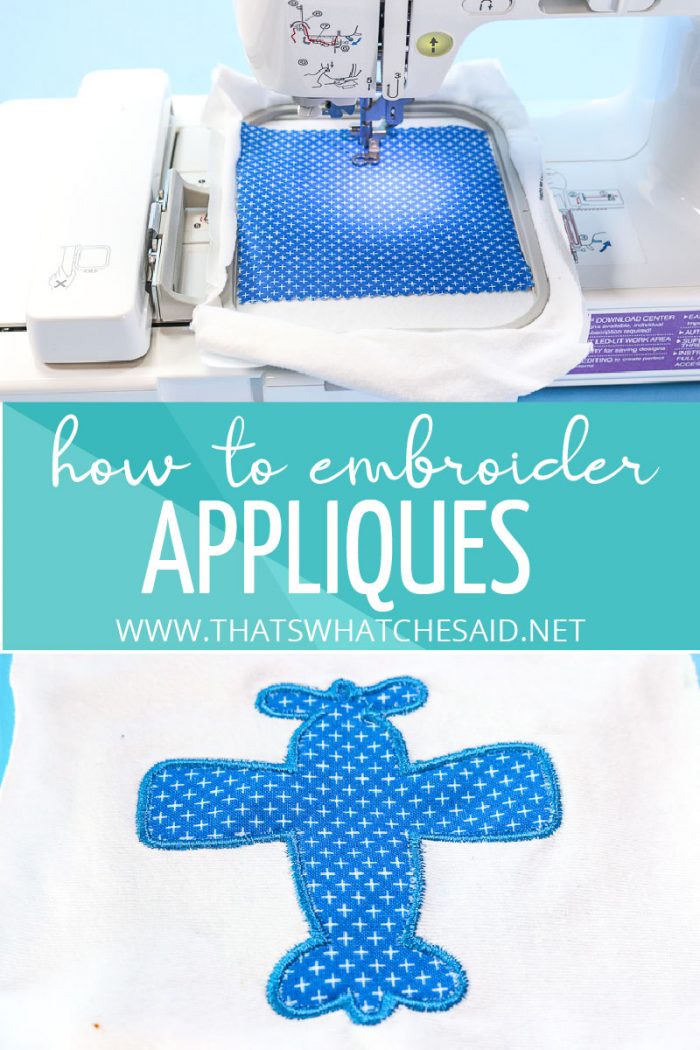
Image Source: www.thatswhatchesaid.net
Gathering Your Supplies
Before you start, you need some tools and materials. Having everything ready makes the process smooth. Don’t worry, you likely have many things already.
What You Need
- An embroidery machine
- An embroidery hoop that fits your design
- Fabric for your main project item (like a shirt, towel, or quilt block)
- Fabric for machine applique (the fabric you cut into shapes)
- Stabilizer for machine applique
- Fusible web for applique
- Embroidery threads (top thread and bobbin thread)
- Sharp scissors (especially small, sharp ones for cutting fabric for machine applique)
- Tweezers or a pick tool (helps remove small fabric bits)
- An iron and ironing board
- Machine embroidery applique designs (digital files)
- Optional: Temporary spray adhesive or tape
Let’s look closer at some key items.
Fabric Choices
Picking the right Fabric for machine applique matters. You can use many different types. Cotton is very popular. It’s easy to work with and press flat. Lightweight fabrics like linen can also work. Heavier fabrics like denim are good too. Think about how the fabric will look on your project. Will it fray a lot? Some fabrics fray easily. For raw edge machine embroidery applique, this might be okay. For a neat finish, choose fabrics that don’t fray much. Wash and press your fabrics first. This stops them from shrinking later.
Stabilizer for Machine Applique
Stabilizer is very important. It supports your fabric while the machine sews. It stops the fabric from stretching or moving. This helps your stitches look neat. Without stabilizer, your design might look puckered or wavy. There are different kinds of Stabilizer for machine applique.
- Tear-away stabilizer: This is common. You tear it away after sewing. It’s good for stable fabrics like cotton.
- Cut-away stabilizer: This stays on the fabric. You trim it closely after sewing. It’s best for stretchy fabrics or designs with many stitches. It gives more support.
- Wash-away stabilizer: This dissolves in water. It’s good for delicate fabrics or projects where you don’t want stabilizer showing.
The right stabilizer depends on your fabric and design. If your main fabric is thin or stretchy, use a cut-away. If it’s stable like denim, tear-away might be fine. Sometimes, you might use two layers for more support.
Fusible Web for Applique
Fusible web is a thin material. It has glue on both sides. You iron it onto the back of your applique fabric. It makes the fabric sticky. This helps you position applique fabric correctly. It holds the fabric piece in place before sewing. It also helps stop the fabric edges from fraying. This is especially helpful when Cutting fabric for machine applique close to the stitches. Look for lightweight fusible web. Heavy web can make the fabric stiff. Popular brands include Heat ‘n Bond Lite and Pellon EZ-Steam.
Getting Everything Ready
Preparation is key to good results. Take your time with these steps.
Choosing a Design
First, pick a design. You can buy machine embroidery applique designs online. Many websites sell them. Make sure the design size fits your hoop. Applique designs usually have several steps stitched by the machine.
1. A placement line (shows where to put the fabric).
2. A tack-down line (holds the fabric down).
3. Finishing stitches (sews the edges neatly).
Selecting Your Fabrics
Look at your design. What colors do you need? Choose your main fabric and the fabric for each applique piece. Pick colors and patterns that look good together. Remember to wash and iron them.
Preparing Applique Fabric with Fusible Web
This step is easy but important.
1. Cut a piece of your applique fabric. Make it a little bigger than the shape you need.
2. Cut a piece of fusible web the same size.
3. Place the rough side of the fusible web onto the back of the applique fabric.
4. Follow the fusible web instructions. Usually, you iron it onto the fabric. The glue melts and sticks to the fabric.
5. Let it cool. Now the back of your fabric has a paper backing.
You don’t cut the applique shapes out yet! You apply the fusible web to a piece of fabric. Then, the machine tells you when to cut.
Preparing Your Main Fabric and Hoop
Get your main project fabric ready. Iron it flat. Choose the right Stabilizer for machine applique based on your fabric. Hoop the main fabric and the stabilizer together. Make sure the fabric is smooth and tight in the hoop. There should be no wrinkles. Hooping correctly is important for good stitch quality.
Loading the Design
Put the hoop onto your embroidery machine. Load the chosen machine embroidery applique designs into your machine. The machine screen will guide you through the steps.
Sewing the Applique: Step by Step
Now for the fun part! Your machine will do most of the work. Follow the machine’s steps for your specific design. Here is a general Machine embroidery applique tutorial process.
Step 1: Stitch the Placement Line
The machine will sew the first set of stitches. This is the placement line. It’s a simple outline stitch. It shows you exactly where your applique fabric needs to go. This is key for Positioning applique fabric correctly. These stitches show you the shape of the piece you are adding.
Step 2: Place the Applique Fabric
Take the hoop off the machine (or carefully work while it’s on, depending on your machine). Get the fabric piece you prepared with fusible web. Place this fabric piece over the placement line you just stitched. Make sure it completely covers the outline. The stitched line should be under your fabric piece. The paper backing of the fusible web is still on. You are just laying the fabric down. You can use a little temporary spray adhesive on the back of the fabric or tape it down if needed. This helps keep it from shifting.
Step 3: Stitch the Tack-Down Line
Put the hoop back on the machine. Sew the next set of stitches. This is the tack-down line. It stitches inside the placement line, or right on top of it. It sews through your applique fabric and the main fabric. This stitch holds the applique fabric piece firmly in place.
Step 4: Cutting Fabric for Machine Applique
Now you need to trim the extra fabric. This is a crucial step in machine applique. Take the hoop off the machine again. Use sharp scissors. Small, pointed scissors work best. Carefully trim the applique fabric outside the tack-down stitches. Cut as close as you can to the stitches without cutting the stitches themselves. This takes practice. Cut away all the extra fabric from around the shape. Don’t remove the paper backing yet.
H5: Why Trim the Fabric Now?
Trimming the fabric now gives you a clean edge for the final stitches. The machine will sew a satin stitch or other decorative stitch over this trimmed edge. If the fabric is not trimmed neatly, it can peek out from under the final stitches.
Step 5: Stitch the Finishing Stitches
Put the hoop back on the machine. This is the last sewing step for this applique piece. The machine will sew the final Applique embroidery stitches. This is usually a satin stitch, a zig-zag stitch, or a blanket stitch. This stitch sews over the raw edge of the trimmed fabric. It covers the edge completely. It gives the applique a finished, clean look. If your design has multiple applique pieces, the machine will repeat steps 1-5 for each piece.
Applique Embroidery Stitches
The type of stitch used for the final edge matters.
* Satin Stitch: This is the most common. It’s a wide, dense zig-zag stitch. It makes a smooth, raised edge. It hides the raw fabric edge completely.
* Zig-Zag Stitch: A simpler, less dense stitch than satin. It also covers the edge but uses less thread.
* Blanket Stitch: This stitch looks like hand blanket stitching. It creates a loop along the edge. It gives a charming, handmade look. This is often used for Raw edge machine embroidery applique, but can also finish a trimmed edge.
Your machine embroidery applique designs will specify which stitch is used.
Different Looks: Raw Edge Applique
Sometimes, you might want a different style. Raw edge machine embroidery applique leaves the edge of the fabric showing slightly. It gives a more casual or rustic look.
How Raw Edge Applique Works
For Raw edge machine embroidery applique, the steps are similar but you don’t always use fusible web or trim as closely.
1. Stitch the placement line.
2. Place the applique fabric.
3. Stitch a tack-down line (often a simple straight stitch or zig-zag).
4. You might not trim the fabric right next to the stitch. You might leave a small edge.
5. The final stitch is often a simple straight stitch, a zig-zag, or a blanket stitch placed slightly inside the raw edge. The fabric edge is left to fray a little over time.
Using fabrics that fray nicely works well for this. Cotton or linen are good choices. You still use Stabilizer for machine applique to support the main fabric.
Tips for Success
Here are some extra tips to help you.
Positioning Applique Fabric Accurately
- After stitching the placement line, make sure your fabric piece covers it fully.
- If your fabric is patterned, think about which part of the pattern you want to show in the shape. Center it over the placement line.
- Use temporary spray adhesive sparingly or tape outside the stitch area to keep the fabric from shifting before the tack-down stitch.
Cutting Fabric for Machine Applique Neatly
- Use very sharp, small scissors. Curved blade scissors are great for getting close to the stitches without snipping them.
- Take your time. Go slowly around curves and points.
- Good light helps you see exactly where you are cutting.
Matching Threads
Choose thread colors that match or contrast nicely with your Applique embroidery stitches. You can use a thread that matches the applique fabric to make the stitch blend in. Or use a contrasting color to make the stitch stand out. You can also use specialty threads like rayon, polyester, or even metallic threads.
Finishing Machine Embroidery Applique
Once all the stitching is done, you need to finish the piece.
- Take the hoop off the machine.
- Remove the fabric from the hoop.
- Carefully remove the stabilizer from the back. If it’s tear-away, gently tear it away from around the design. If it’s cut-away, trim it close to the stitches. If it’s wash-away, follow instructions to dissolve it (usually soaking or rinsing).
- If you used fusible web, the paper backing is still on the back of the applique piece. Gently peel this paper off.
- Press the applique from the back. This helps the fusible web stick permanently and makes the design lay flat. Use a pressing cloth if needed.
Your applique piece is now ready to be part of your project!
Troubleshooting Common Issues
Sometimes things don’t go perfectly the first time. Here are some common problems and what to do.
- Puckering: The fabric is not lying flat or is wrinkled in the hoop. The stabilizer might be too light. Try re-hooping carefully. Use a stronger Stabilizer for machine applique.
- Fabric shifts: The applique fabric moved before the tack-down stitch. Make sure your fabric covers the placement line well. Use temporary adhesive or tape to hold it still.
- Fabric peeking out: The applique fabric wasn’t trimmed close enough before the final stitches. Use sharper scissors and take more care when Cutting fabric for machine applique.
- Stitches look uneven: Your tension might be off. Check your machine’s manual. Make sure the bobbin thread is correct. The hoop might not be tight enough.
Practicing on scrap fabric first can help you avoid these issues on your main project.
Ideas for Applique Projects
What can you make with machine applique? Lots of things!
* Add designs to children’s clothing.
* Decorate towels or blankets.
* Make personalized tote bags or pouches.
* Create blocks for a quilt.
* Add monograms or shapes to home decor items.
* Make patches to sew onto things.
Machine embroidery applique designs come in many shapes like animals, letters, flowers, and geometric shapes.
Grasping the Process: A Quick Table Summary
Here’s a simple table reviewing the main steps of a standard Machine embroidery applique tutorial.
| Step | Machine Action | Your Action | Why? |
|---|---|---|---|
| 1. Placement Line | Sews a simple outline | Watch | Shows where applique fabric goes |
| 2. Place Fabric | Stops | Position applique fabric over the outline | Covers the area to be appliqued |
| 3. Tack-Down Line | Sews over fabric | Watch | Holds applique fabric in place |
| 4. Trim Fabric | Stops | Cutting fabric for machine applique outside stitch | Gets rid of extra fabric for a clean edge |
| 5. Finishing Stitches | Sews final edge stitch | Watch | Covers raw edge, makes it look nice |
Remember to prepare your fabric with Fusible web for applique and choose the right Stabilizer for machine applique before you start sewing.
Frequently Asked Questions
- Do I have to use fusible web?
No, but it makes Positioning applique fabric much easier. It also helps prevent fraying under the stitches. You can use temporary spray adhesive or pins instead, but be careful with pins near the needle. - Can I use any fabric for applique?
Most fabrics work, but some are easier than others. Cotton is great. Very thin or very stretchy fabrics can be tricky. Try a test piece first. - What is the best stabilizer for machine applique?
It depends on your main fabric. For stable fabrics, tear-away is fine. For knits or stretchy fabrics, cut-away is better. Always use enough support; sometimes two layers are needed. - How do I choose the right size design?
Make sure the machine embroidery applique designs fit inside your embroidery hoop. Also, think about the item you are putting it on. A large design might not fit well on a small baby item. - My finished edge isn’t smooth.
This can happen if the applique fabric wasn’t trimmed neatly enough, or if the final Applique embroidery stitches (like satin stitch) are not dense enough. Check your machine’s stitch settings and make sure you trimmed very close to the tack-down line. - What’s the difference between applique and regular embroidery?
Regular embroidery uses stitches to create a design directly on the fabric. Applique involves cutting shapes from other fabric pieces and sewing them onto the main fabric, usually with stitches around the edge of the shape. Applique often uses larger areas of color quickly.
Conclusion
Learning how to machine embroidery applique is a fantastic skill. It opens up a world of creative possibilities. By following these steps, you can easily add beautiful fabric shapes to your projects. Remember to choose the right materials like the correct Fabric for machine applique, Stabilizer for machine applique, and Fusible web for applique. Pay attention when Cutting fabric for machine applique and use the correct Applique embroidery stitches. With a little practice, Positioning applique fabric will become second nature, and Finishing machine embroidery applique will be simple. Dive in, try a simple design, and enjoy the process! It’s a rewarding way to make personalized and colorful items.