
Can you fix your sewing machine when it acts up? Yes! Many everyday sewing machine problems can be fixed at home with simple checks and basic tools. This guide will show you how to find and fix common issues, saving you time and money. We will cover basic sewing machine troubleshooting, look at common sewing machine problems, discuss needed sewing machine maintenance, and show you how to handle things like fixing stitch issues, adjusting thread tension, sorting out bobbin problems, cleaning sewing machine parts, oiling sewing machine parts, and replacing sewing machine needle correctly, especially when you see skipping stitches.
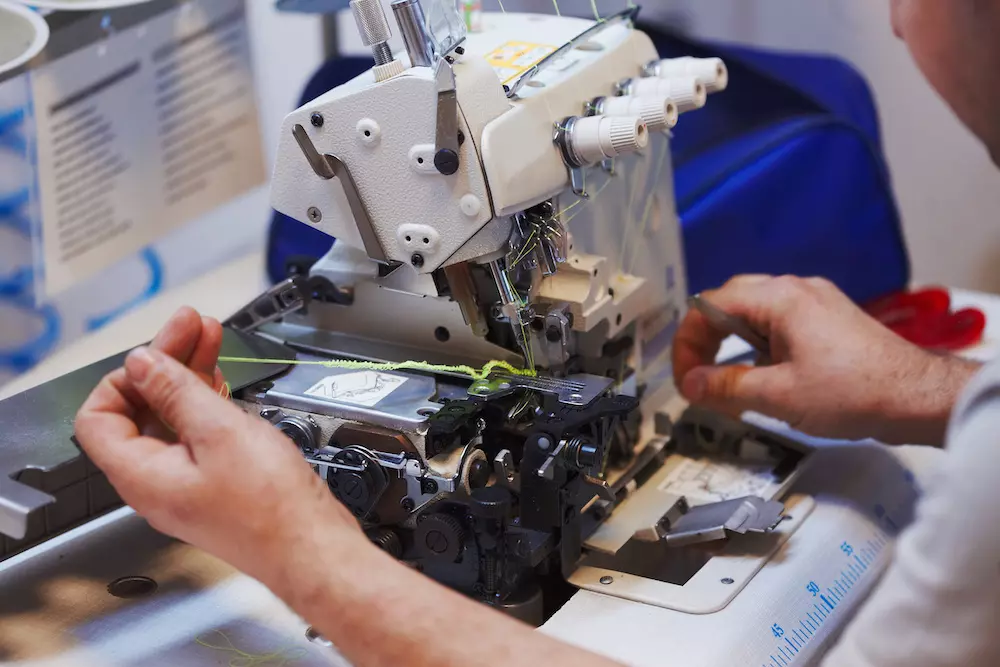
Image Source: www.goldstartool.com
Your First Steps: Sewing Machine Troubleshooting
When your sewing machine stops working right, don’t panic. Most times, the fix is easy. Before you think about taking it to a shop, do some simple checks. This is sewing machine troubleshooting. It’s like being a detective for your machine. Start with the simple things. Make sure the machine is plugged in. Check the power switch. Is the light on? These sound obvious, but they are easy to forget.
Next, look at the thread. Is it threaded right? Check the top thread path carefully. Follow your machine’s guide book. Is the bobbin in correctly? Is there enough thread on the bobbin? Simple threading errors cause many common sewing machine problems. A tiny mistake can stop everything.
Check the needle. Is it straight? Is it bent? Is it put in the right way? Needles are a big reason for bad stitches and other issues. We’ll talk more about the needle later.
Simple Checks to Start With
- Is the power cord fully in the wall?
- Is the power cord fully in the machine?
- Is the power switch turned on?
- Is the foot pedal connected right?
- Is the machine threaded exactly as the book says?
- Is the bobbin wound neatly?
- Is the bobbin put in the bobbin case or area the right way?
- Is the needle in all the way up?
- Is the needle facing the right direction?
- Is the needle bent or dull?
- Is the presser foot down? You can’t sew with the presser foot up.
Going through this short list can solve many issues fast.
Looking at Common Sewing Machine Problems
Many things can go wrong with a sewing machine. But some problems happen more often than others. Knowing these common sewing machine problems helps you fix them faster.
- Skipping Stitches: This is a very common one. The machine makes a stitch, then misses a spot, then makes another.
- Thread Breaking: The top thread or bobbin thread keeps snapping while you sew.
- Thread Bunching Up (Nesting): Lots of tangled thread gathers under the fabric.
- Uneven Stitches: Stitches look loose or tight in places. This often means you need adjusting thread tension.
- Bobbin Problems: The bobbin thread looks bad, or the bobbin case is tricky.
- Machine Jams: The machine just stops, and you can’t move the wheel.
- Machine Noises: The machine makes loud or strange sounds.
We will look closely at how to fix some of these main problems.
Fixing Stitch Issues: What to Check
When your stitches don’t look right, it’s frustrating. Fixing stitch issues usually means checking a few key parts. The needle, the thread, the tension settings, and the bobbin area are the main suspects.
Bad stitches can be too loose, too tight, uneven, or skipped entirely. Each type of bad stitch tells you something about what is wrong.
Reading Your Stitches: What They Tell You
Look at the stitch on both the top and bottom of your fabric.
- Stitches look loose on top, with loops under fabric: Top tension is too loose, or bobbin tension is too tight. Or the machine is threaded wrong on top.
- Stitches look loose under fabric, with loops on top: Bobbin tension is too loose, or top tension is too tight. Or the bobbin is not put in right.
- Stitches are tight and puckering the fabric: Tension is too tight on both top and bobbin.
- Stitches look messy or uneven: Could be tension, needle, thread, or even the type of fabric.
Let’s break down how to fix the most common stitch problems.
Stopping Skipping Stitches
Skipping stitches makes your sewing look bad. It also makes seams weak. There are several reasons why this happens. The most common reason is the needle.
Replacing Sewing Machine Needle Correctly
A dull, bent, or wrong needle is the top cause of skipping stitches. Needles don’t last forever. They get dull as they sew. This is why replacing sewing machine needle often is important.
How often should you change your needle? A good rule is to change it after every project or after about 8-10 hours of sewing. If you are sewing thick fabric or something tough, change it even sooner.
Here’s how to replace sewing machine needle:
- Turn off the machine. Safety first!
- Lower the needle bar using the hand wheel so you can easily reach the needle screw.
- Find the screw that holds the needle in place. It’s usually on the side of the needle clamp.
- Use a small screwdriver or your fingers (if your machine has a thumb screw) to loosen the screw.
- The old needle will slide out. Pull it straight down.
- Get your new needle. Make sure it’s the right type and size for your fabric. Sewing different fabrics needs different needles. (For example, use a ballpoint needle for knits).
- Needles have a flat side and a round side at the top. Check your machine manual to see which way the flat side should face. For most machines, the flat side faces the back.
- Push the new needle up into the needle clamp as high as it can go.
- While holding the needle up, tighten the screw firmly. Don’t overtighten.
- Test sew on scrap fabric to make sure stitches look good.
If replacing sewing machine needle doesn’t stop skipping stitches, check the thread type and how the machine is threaded. Sometimes the thread is too old or has splits. Also, make sure the fabric is feeding smoothly. Pulling or pushing the fabric too hard can cause skips.
Getting Thread Tightness Right: Adjusting Thread Tension
Thread tension is how tight the upper and lower threads are pulled when they form a stitch. When the tension is just right, the two threads meet in the middle of the fabric layers. If tension is off, you get loops or tight spots. Adjusting thread tension is key to good stitches.
Your machine has a tension dial for the upper thread. The bobbin tension is usually set in the bobbin case, but you often don’t need to touch this.
Adjusting Upper Thread Tension
This is the tension you will change most often.
- Find the upper thread tension dial. It usually has numbers.
- The numbers often show how tight the tension is. A higher number means tighter tension.
- Start with the setting your manual suggests, often around 4 or 5.
- Sew a test line on scrap fabric.
- Look at the stitches.
- If loops are on the bottom side of the fabric (top tension is too loose), turn the tension dial to a higher number. Turn it only one number at a time.
- If loops are on the top side of the fabric (top tension is too tight), turn the tension dial to a lower number. Turn it only one number at a time.
- Sew another test line after each small change. Keep adjusting until the stitches look balanced on both sides.
Also, check that the upper thread is sitting correctly in the tension discs. Often, if the thread is not seated right, the tension is zero, leading to big loops on the bottom. Make sure the presser foot is down when you thread the machine; on most machines, the tension discs only close when the foot is down.
Checking Bobbin Tension
Bobbin tension is less often the problem, but it can cause issues. The tension for the bobbin thread is set by a small screw on the bobbin case (for drop-in bobbins, the case is built-in).
- For removable bobbin cases: The thread should come out of the case with a little pull, but not too easily. If you hold the thread and the bobbin case hangs without falling, the tension is likely good. If it falls freely, it’s too loose. If you have to pull hard, it’s too tight. You can use a tiny screwdriver to slightly turn the small screw on the bobbin case leaf spring to adjust. Turning it right (clockwise) makes it tighter. Turning it left (counter-clockwise) makes it looser. Be very careful with this screw; small turns make a big difference, and losing the screw is easy.
- For drop-in bobbins: Bobbin tension is usually factory set and rarely needs adjusting. Ensure the thread is correctly routed through the tension guide in the bobbin area. If you suspect a problem here, it’s often lint or damage, not just a setting issue.
Most times, adjusting the upper tension fixes stitch issues. Only change the bobbin tension screw if you are sure it’s the problem and you know what you are doing.
Solving Bobbin Worries: Bobbin Problems
Bobbin problems are a big cause of poor stitches or tangled messes. Issues can come from how the bobbin is wound, how it’s put in the machine, or problems with the bobbin case itself.
Winding the Bobbin Right
A poorly wound bobbin can cause loops, uneven stitches, and thread breaks.
- Wind the bobbin evenly. The thread should lay flat and smooth, not bumpy or messy.
- Don’t wind it too loosely or too tightly.
- Use the same type of thread on the bobbin as the top thread (unless your machine manual says otherwise for special cases).
Putting the Bobbin in Right
Whether you have a front-load bobbin case or a top-load drop-in bobbin, it must go in the correct way.
- Check your manual for the direction the bobbin should spin as the thread comes off. This is very important for tension.
- Make sure the bobbin thread is pulled through the tension spring on the bobbin case or in the bobbin area. You should feel a slight pull.
Checking the Bobbin Case Area
Lint and thread bits love to gather around the bobbin case and feed dogs. This can mess up tension and cause jams. Regular cleaning here is vital.
Taking Care of Your Sewing Machine: Sewing Machine Maintenance
Regular sewing machine maintenance keeps your machine running smoothly and prevents many problems. It’s like giving your car oil changes. The two main parts of care are cleaning sewing machine parts and oiling sewing machine parts.
Why Regular Cleaning is Needed
Fabric lint, dust, and small thread bits get inside your machine as you sew. These bits can build up in the bobbin area, feed dogs, tension discs, and other moving parts. This build-up is a major cause of problems like skipping stitches, thread breaks, and jamming.
Cleaning sewing machine regularly removes this build-up. How often? If you sew a lot, clean it after every few projects. If you sew now and then, clean it after every few hours of use. Or clean it when you see lint building up.
How to Clean Your Machine
- Turn off and unplug the machine. Always!
- Gather tools: You need a small brush (most machines come with one), maybe tweezers, and a soft cloth. Some people use a small vacuum meant for electronics or a can of compressed air, but be careful with compressed air as it can push lint deeper into the machine. Brushing is often best.
- Remove the needle and presser foot.
- Open the bobbin area. Take out the bobbin case or the bobbin. On many machines, you can remove the plate under the presser foot (throat plate or needle plate). You might need a screwdriver for this.
- Brush out lint. Use the small brush to gently sweep out all the lint and dust you can see. Pay close attention to the bobbin area, the feed dogs (the little teeth that move the fabric), and under the needle plate.
- Check tension discs. Use a piece of sturdy thread or even dental floss (without wax) to “floss” the upper tension discs. With the presser foot up (tension released), slide the thread up and down in the tension slot to pull out any hidden lint.
- Wipe surfaces. Use a soft, dry cloth to wipe the outside of the machine. You can use a tiny bit of sewing machine cleaner if needed, but don’t use harsh chemicals.
Why Oiling is Needed
Sewing machines have many metal parts that move very fast. Like any machine, these parts need oil to move smoothly and prevent wear and tear. Oiling sewing machine parts reduces friction, noise, and heat. It helps your machine run quietly and last longer.
- Important: Use only sewing machine oil. This oil is light and made for high speeds. Do not use other oils like cooking oil, WD-40, or motor oil. These can gum up your machine and cause damage.
- Check your machine’s manual. It will show you exactly where to put drops of oil. Not all machines need oiling in the same spots, and some newer machines might not need oiling at all (they might have sealed parts). Never oil a spot not shown in your manual.
How to Oil Your Machine
- Turn off and unplug the machine.
- Clean the machine first. Oiling over dirt just makes a messy paste.
- Check your manual for the oiling points. They are often marked with little pictures of an oil can or colored dots. Common spots are in the bobbin area, under the needle plate, and sometimes small holes on the machine’s arm or top.
- Put just one drop of sewing machine oil on each oiling point. One drop is usually enough.
- Run the machine. Put a scrap of fabric under the foot. Sew for a minute or two without thread. This helps spread the oil.
- Wipe away extra oil. Sew on another scrap piece of fabric with thread for a bit to catch any oil that might come out, so it doesn’t get on your project.
Regular cleaning sewing machine and oiling sewing machine (if your machine needs it) are the best things you can do for its health.
More Details on Fixing Common Problems
Let’s look closer at some issues and how the maintenance we talked about helps.
Thread Breaking Often
If your thread keeps snapping:
- Check the Needle: Is it old, bent, or the wrong type/size? A bad needle can cut the thread. Replacing sewing machine needle is often the fix.
- Check Thread Quality: Cheap or old thread can break easily. Use good quality thread.
- Check Threading: Make sure the top thread is through all guides and in the tension discs right. Is the bobbin thread in its path correctly?
- Check for Snags: Are there rough spots on the machine parts (like the needle plate or bobbin case) that are catching the thread? Sometimes cleaning helps remove burrs or lint causing snags.
- Tension Too Tight: If tension is too high, it puts too much stress on the thread, causing it to snap. Try adjusting thread tension to be looser.
Thread Bunching Up (Nesting)
This usually looks like a bird’s nest of thread under your fabric.
- Top Thread Not in Tension: The most common cause! The top thread isn’t sitting right in the tension discs. This gives it no tension, and the bobbin thread just pulls big loops of the top thread underneath. Make sure the presser foot is down when threading and pull the thread firmly into the tension area.
- Incorrect Threading: Go back to step one and re-thread the entire top of the machine carefully.
- Bobbin Put In Wrong: Make sure the bobbin is spinning the correct direction and the thread is in the tension guide in the bobbin area.
Machine Jams
If your machine locks up and you can’t turn the hand wheel:
- Check for Thread Jams: Often, tangled thread, especially in the bobbin area, causes a jam.
- Turn off the machine!
- Remove Fabric: Gently try to pull the fabric out. You might need to cut threads tangled around the needle or foot.
- Open Bobbin Area: Look for tangled thread. Remove the bobbin case and clean out all thread bits and lint.
- Check the Hand Wheel: Try turning the hand wheel backwards slowly by hand to free things up. Do not force it.
- Clean and Oil: Once clear, clean the bobbin area well and oil if needed before trying to sew again.
- Bad Needle: A severely bent or broken needle can jam the machine. Check and replacing sewing machine needle if needed.
Loud or Strange Noises
A sudden change in how your machine sounds is a warning.
- Needs Oiling: Often, new noises mean parts are rubbing without enough oil. Check your manual and oiling sewing machine points.
- Lint Build-up: Dirt and lint can cause parts to drag and make noise. A good cleaning sewing machine session can help.
- Loose Screws: Check if any accessible screws have worked loose, especially around the needle plate or bobbin area.
- Something is Stuck: A pin or broken needle piece could be inside.
- Bent Needle: A bent needle hitting the needle plate or bobbin case makes a clicking sound. Check and replacing sewing machine needle.
If cleaning and oiling don’t fix a bad noise, or if the machine feels rough or stuck, it might need a trip to a repair shop.
Step-by-Step: How to Do Key Tasks
Let’s put some of the maintenance tasks into simple steps.
Steps to Clean Your Sewing Machine Well
This helps stop many common sewing machine problems.
- Unplug the machine.
- Gather brush, tweezers, cloth.
- Take off needle and presser foot.
- Remove the plate under the foot (needle plate). Put screws in a safe spot.
- Take out bobbin and bobbin case.
- Brush away all lint from the bobbin area and feed dogs. Get into corners.
- Use tweezers to pull out stubborn thread bits.
- Use thread or dental floss to clean the upper tension discs (foot up).
- Wipe parts you removed (bobbin case, needle plate).
- Put the bobbin case and bobbin back.
- Screw the needle plate back on.
- Wipe the outside of the machine.
Steps to Oil Your Sewing Machine (If Needed)
This keeps parts moving freely.
- Unplug the machine.
- Clean the machine first (see steps above).
- Look at your machine manual for oiling spots.
- Put just one drop of sewing machine oil on each marked spot.
- Put the needle and presser foot back on.
- Put scrap fabric under the foot.
- Turn the hand wheel slowly for a minute.
- Plug in the machine and sew on the scrap fabric for a minute.
- Wipe away any oil on the outside.
- Sew on another scrap to pick up any oil that might leak during early sewing.
Steps to Put in a New Needle
Doing this right helps stop skipping stitches and thread breaks.
- Unplug the machine.
- Lower the needle holder using the hand wheel.
- Loosen the needle screw (use a screwdriver or thumb screw).
- Pull the old needle straight down and out.
- Get the new needle. Check it’s the right type and size.
- Look for the flat side on the needle top.
- Check your manual for which way the flat side should face (usually backward).
- Push the new needle up into the clamp as high as it can go.
- Hold it up and tighten the screw firmly.
- Put the presser foot back on.
- Thread the machine.
- Test sew on scrap fabric.
When Home Repairs Are Not Enough
While you can fix many common sewing machine problems yourself with sewing machine troubleshooting, cleaning sewing machine, oiling sewing machine, replacing sewing machine needle, and adjusting thread tension, some issues need a pro.
- If the machine is making very bad grinding noises.
- If the hand wheel won’t turn at all after checking for simple jams.
- If parts seem bent or broken deep inside.
- If you have followed all sewing machine troubleshooting steps and still can’t fix the problem.
- If your machine needs timing adjusted (this is complex).
Don’t be afraid to take it to a repair shop if needed. They have special tools and knowledge for harder problems.
Prevention is the Best Fix: Regular Maintenance
The best way to deal with sewing machine issues is to stop them before they start. Regular sewing machine maintenance is key.
- Clean your machine often, especially the bobbin area and feed dogs.
- Oil your machine as directed by your manual.
- Always use the right needle type and size for your fabric. Change your needle often.
- Use good quality thread.
- Store your machine with a cover to keep dust out.
- When you finish sewing, lower the presser foot slightly or put a small piece of fabric under it to keep the feed dogs from marking the foot.
By doing these simple things, you will have fewer common sewing machine problems and spend more time sewing and less time fixing stitch issues.
Wrapping Up
Knowing how to do basic sewing machine troubleshooting can save you a lot of hassle. Many issues, from skipping stitches and bobbin problems to bad tension, come from simple things like a bad needle, lint build-up, or incorrect threading. By learning how to do regular sewing machine maintenance, including cleaning sewing machine parts, oiling sewing machine points, replacing sewing machine needle regularly, and correctly adjusting thread tension, you can solve and prevent most common sewing machine problems. Keep your manual handy, take care of your machine, and it will take care of your sewing projects.
Frequently Asked Questions (FAQ)
Q: How often should I clean my sewing machine?
A: Clean it after every 8-10 hours of sewing or after finishing a large project. If you sew with fuzzy fabrics, clean it more often.
Q: What type of oil should I use for my sewing machine?
A: Always use only lightweight sewing machine oil. Do not use other oils like cooking oil, WD-40, or multi-purpose oils.
Q: Can I use any needle in my sewing machine?
A: No. You must use the correct type and size of needle for your machine and the fabric you are sewing. Using the wrong needle can damage the machine or cause problems like skipping stitches. Check your manual for recommended needle types.
Q: Why does my thread keep breaking?
A: Common reasons include a bad or old needle, poor quality thread, incorrect threading, tension that is too tight, or lint build-up causing snags. Check these first.
Q: My machine is making loops of thread on the bottom. What’s wrong?
A: This is usually caused by the top thread not having enough tension. Make sure the top thread is correctly threaded through all guides and seated firmly in the tension discs. Ensure the presser foot is down when you thread the machine.
Q: Do all sewing machines need oiling?
A: Not all modern machines need oiling. Some have parts that are permanently oiled or don’t require user oiling. Check your specific machine’s manual. If the manual shows oiling points, then you should oil it there.