
Learning how to thread a sewing needle is a fundamental skill for anyone interested in hand sewing, machine sewing, or even basic mending. Can you thread a sewing needle without a gadget? Yes, absolutely! This guide will break down the process of manual needle threading for both hand sewing and setting up your sewing machine, making it an easy needle threading experience. We’ll cover everything from choosing the right needle to troubleshooting common issues, ensuring you can thread a needle with confidence every time.
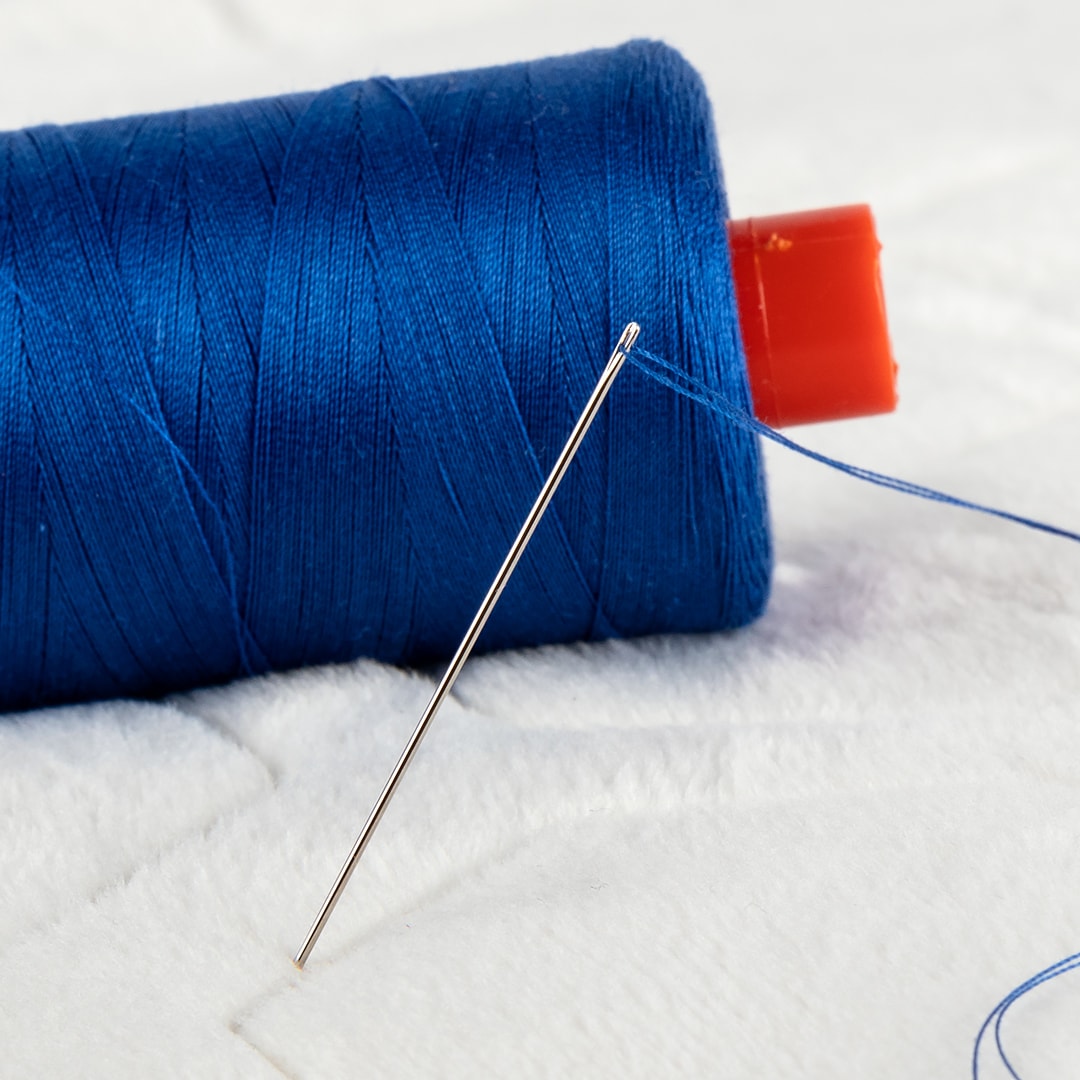
Image Source: blog.fatquartershop.com
The Basics of Sewing Needle Threading
Before we dive into the step-by-step process, let’s clarify a few things about sewing needle threading. At its core, it’s about guiding a piece of thread through the small opening at the top of a sewing needle, known as the needle eye. This might seem simple, but the tiny size of the eye and the fraying nature of thread can make it a frustrating task for beginners. This guide aims to demystify the process and provide you with effective techniques.
What You’ll Need for Manual Needle Threading
Gathering the right tools can make a big difference in achieving successful sewing needle threading. You’ll primarily need:
- A Sewing Needle: This could be a standard hand sewing needle or a sewing machine needle. Different types of needles have varying eye sizes. An embroidery needle, for example, often has a larger eye than a fine dressmaking needle.
- Thread: Choose good quality thread that isn’t too thick or frayed. Cotton, polyester, or silk threads are common.
- Good Lighting: Crucial for seeing the needle eye clearly. Natural daylight is best, but a good desk lamp will also work.
- A Steady Hand: Patience is key!
Why Is Sewing Needle Threading Important?
Accurate sewing needle threading is the very first step in any sewing project, whether you’re mending a hem or creating a garment. Without properly threaded needle, you can’t stitch. For hand sewing, it means you can’t create stitches by hand. For machine sewing, it means your sewing machine needle won’t pick up the bobbin thread to form stitches. It also impacts how your stitches look – a loosely threaded needle can lead to skipped stitches or uneven tension. Even when you learn how to thread a bobbin, the needle threading remains paramount.
Threading a Sewing Needle for Hand Sewing
Let’s start with the most traditional method: manual needle threading for hand sewing. This is a skill that has been passed down through generations and is surprisingly satisfying once mastered.
Step 1: Prepare Your Thread
- Cut the Thread: Use sharp scissors to cut a manageable length of thread. About 18-24 inches is usually a good starting point. Too long, and it will tangle easily; too short, and you’ll be re-threading frequently.
- Trim the End: To make it easier to thread the needle, trim the end of the thread cleanly. A sharp angle can sometimes help, but a straight, clean cut is more important.
- Prevent Fraying: This is often the biggest hurdle. Several methods can help:
- Moisten the Tip: Lightly wet the very end of the thread with a bit of water or saliva. Roll it between your fingers to make it smooth and firm.
- Use a Thread Conditioner: Products like beeswax or specialized thread conditioners can stiffen the thread end, making it easier to pass through the needle eye.
- Pinch and Twist: Firmly pinch the very tip of the thread between your thumb and forefinger and twist it. This can sometimes create a stiffer point.
Step 2: Position Your Hand and Needle
This is where good lighting and a steady hand come in.
- Choose Your Grip: Most people find it easiest to hold the needle between the thumb and forefinger of one hand.
- Bring the Needle to the Thread: Alternatively, you can hold the thread steady with one hand and bring the eye of the needle towards the prepared thread end with the other. This often gives you more control.
- Eye Placement: Position the needle eye directly in front of your eyes. You want to see the eye clearly, not just feel for it.
Step 3: The Actual Threading Process
This is the moment of truth!
- Aim for the Eye: Carefully bring the prepared, stiffened end of the thread towards the needle eye.
- Guide the Thread: Gently push the thread through the opening. Don’t force it. If it’s not going through, the end might be frayed or not stiff enough.
- Pull the Thread Through: Once the thread has passed through the eye, pull a few inches of thread through. You’ll usually leave a tail of about 4-6 inches on one side, and the rest of the thread on the other, ready for winding onto your spool or for tying a knot.
Tips for Easier Needle Threading for Hand Sewing
- Use Needles with Larger Eyes: Many needles are designed with larger eyes for easier threading. Look for terms like “easy thread” or “self-threading” needles, though these often have specific designs. Standard embroidery needles are also good candidates.
- Practice with Different Threads: Some threads are naturally easier to work with than others. Silk or mercerized cotton threads tend to be smoother and less prone to fraying than basic cotton threads.
- Use a Needle Threader Tool: If manual needle threading remains a challenge, a simple needle threader tool can be a lifesaver. These are small, inexpensive gadgets designed specifically to help guide the thread through the eye.
Threading a Sewing Machine Needle
Threading a sewing machine is a more complex process than hand sewing, as it involves both the top thread and the bobbin. This section focuses on threading the sewing machine needle with the top thread. Accurate sewing needle threading on a machine is critical for proper stitch formation.
Step 1: Prepare Your Sewing Machine
- Turn Off the Machine: Always ensure your sewing machine is turned off before threading.
- Lift the Presser Foot: This is a crucial step! Lifting the presser foot opens up the tension discs, allowing the thread to pass through smoothly. If the presser foot is down, the thread will likely get caught or not thread correctly.
- Check the Needle: Ensure the sewing machine needle is inserted correctly and is the right type for your fabric. It should be straight and not bent.
Step 2: Follow the Machine’s Threading Path
Every sewing machine is designed with a specific path for the thread. This path is usually marked with numbers or arrows directly on the machine itself.
- Place the Spool: Put your spool of thread onto the spool pin. Make sure it’s facing the correct direction (usually with the thread unwinding from the front).
- Guide Through the First Guides: Follow the marked path, guiding the thread through the initial thread guides. These might be small plastic or metal loops.
- Through the Tension Discs: This is a critical area. The thread needs to go between the tension discs. Ensure it’s seated correctly in the narrow gap. This is where the machine controls the thread tension.
- Around the Take-Up Lever: The thread must loop around the take-up lever, a metal arm that moves up and down. It usually has a small hook or slot for the thread. Make sure the thread is in the hook or slot and goes around it in the direction indicated.
- Down Through the Lower Guides: Continue guiding the thread down the front of the machine, through any remaining thread guides.
- Through the Needle Clamp: The thread then usually passes through a guide near the needle clamp.
- Thread the Needle Eye:
- Manual Threading: For manual needle threading, hold the thread taut and bring it towards the sewing machine needle eye. Aim to thread from left to right (or right to left, depending on your machine’s design – check your manual!). You may need to trim the thread again to get a clean end. Use the techniques mentioned for hand sewing to stiffen the thread end.
- Using an Automatic Needle Threader: Many modern sewing machines have an automatic needle threader. This usually involves a small hook that swings out and catches the thread, then pulls it through the needle eye when activated. Follow your machine’s specific instructions for its automatic threader. It’s one of the easiest ways to achieve easy needle threading.
Step 3: Secure the Thread
- Pull Thread Under the Presser Foot: After the thread is through the needle eye, pull about 4-6 inches of thread towards the back of the machine, passing it under the presser foot. This helps prevent tangles when you start sewing.
- Check Tension: Once you’ve threaded the needle and the bobbin, it’s good practice to do a small test stitch to ensure the tension is correct.
Troubleshooting Common Sewing Machine Threading Issues
- Skipped Stitches: Often caused by the sewing machine needle not being threaded correctly, the wrong type of needle, or a needle that is bent or dull.
- Thread Breaking: This can happen if the thread is caught on a sharp edge, the tension is too tight, or the thread path is incorrect. Ensure the presser foot is up and the thread is properly seated in the tension discs.
- Bird’s Nesting (Thread Jamming): This typically occurs when the top thread isn’t properly engaged with the bobbin thread or the tension is too loose. Double-check that the thread is correctly threaded through all the guides, especially the tension discs and the take-up lever.
Advanced Needle Threading Techniques and Tips
Even with the best practices, sometimes threading a needle can still be a bit tricky. Here are some additional sewing tips to make sewing needle threading smoother.
Using a Needle Threader
As mentioned, needle threaders are fantastic tools for easy needle threading. There are a few common types:
- Wire Loop Threaders: These are very common and inexpensive. They have a thin wire loop attached to a handle. You pass the wire loop through the needle eye, then pass the thread through the wire loop, and finally pull the loop (and thread) back out.
- Automatic Needle Threaders (Machine Specific): As discussed for sewing machines, these are built into the machine and are incredibly convenient.
- Self-Threading Needles: These are a special type of needle with a small slit or gap at the top of the eye. You simply slide the thread into this slit, and it naturally guides itself into the eye. They are excellent for hand sewing when you need a quick solution.
What to Do with a Frayed Thread End
- Trim Again: If the end is badly frayed, use sharp scissors to trim it off cleanly and start fresh.
- Use a Lighter (with caution!): For synthetic threads, you can very carefully and quickly touch the tip with a lit lighter or match. This will melt and seal the end. Be extremely careful not to burn yourself or the thread too much, as this can make it brittle. Do this in a well-ventilated area.
- Thread Wax/Floss: Sometimes, rubbing the thread end with a bit of unscented dental floss or thread wax can help it hold together.
Threading Multiple Threads
For techniques like using a doubled thread for stronger hand stitches or for specific machine embroidery, you’ll need to thread both strands together.
- Hand Sewing: Cut a length of thread, fold it in half, and then attempt to thread both loops through the needle eye simultaneously. This can be more challenging due to the increased thickness. Using a needle with a larger eye or a wire needle threader is highly recommended here.
- Sewing Machine: You generally don’t thread a sewing machine with a doubled thread unless the machine is specifically designed for it (rare). For stronger stitches, you would typically use a thicker thread or a stronger thread type.
When to Change Your Needle
A dull or bent sewing machine needle can cause a host of problems, including skipped stitches, thread breakage, and fabric damage. It’s a good practice to change your needle regularly.
- Frequency:
- Hand Sewing: Change your needle if it becomes bent, has a burr, or if the eye becomes enlarged or damaged.
- Sewing Machine: Change your needle after approximately 6-10 hours of sewing, or at the start of every new project. If you’re sewing through denim or other tough fabrics, you might need to change it even sooner.
- Signs of a Dull Needle:
- Skipped stitches, especially on curves or seams.
- Fabric puckering around the stitches.
- The needle makes a “thudding” sound as it goes through the fabric.
- Thread breaking frequently.
Comparing Different Needles and Threads for Threading
The type of needle and thread you use significantly impacts the ease of sewing needle threading.
Needle Types and Their Eyes
| Needle Type | Eye Size | Typical Use | Ease of Threading |
|---|---|---|---|
| Hand Sewing | Varies (Small to Medium) | General mending, basting | Moderate |
| Embroidery Needle | Medium to Large | Embroidery, crewel work | Easier |
| Milliners Needle | Medium | Millinery work, basting | Moderate |
| Sharps Needle | Small | Fine fabrics, precise stitches | Difficult |
| Darning Needle | Large | Darning socks, thicker yarns | Very Easy |
| Sewing Machine Needle | Varies (Small to Medium, specific shapes) | Machine stitching, various fabrics | Varies (automatic threaders help) |
Thread Types and Their Properties
| Thread Type | Diameter | Strength | Ease of Threading | Common Uses |
|---|---|---|---|---|
| Cotton Thread | Medium | Moderate | Moderate | General sewing, quilting |
| Polyester Thread | Medium | Strong | Moderate | Apparel, durable goods |
| Silk Thread | Fine to Medium | Strong | Easier | Fine fabrics, decorative stitching |
| Embroidery Floss | Thick (multiple strands) | Moderate | Difficult (as a single strand) | Embroidery, decorative stitches |
| Upholstery Thread | Thick | Very Strong | Difficult | Heavy fabrics, outdoor gear |
Final Thoughts on Mastering Sewing Needle Threading
Conquering manual needle threading is a vital step in your sewing journey. Whether you’re working with an embroidery needle for a creative project or trying to get your sewing machine needle ready for a quick repair, the principles remain the same: good light, a steady hand, prepared thread, and patience. Don’t be discouraged if it takes a few tries. Every stitch starts with a successfully threaded needle, and with practice, it will become second nature. Remember to utilize tools like needle threaders when needed, and always ensure your needles are in good condition. Happy sewing!
Frequently Asked Questions (FAQ)
Q1: Why is it so hard to thread a sewing needle?
A1: It’s difficult because the needle’s eye is very small, and thread ends tend to fray. The combination of tiny openings and unruly fibers makes it challenging for many people.
Q2: What’s the best way to prevent thread from fraying when threading a needle?
A2: Lightly moistening the thread end with water or saliva and then twisting it firmly between your fingers can help create a stiffer, more manageable point. Using thread wax or a needle threader also helps.
Q3: Can I use a sewing machine needle for hand sewing?
A3: Yes, you can, especially if it has a reasonably sized eye. However, specialized hand sewing needles are often designed for comfort and specific tasks. Sewing machine needles have a shank at the top for the machine, which can be awkward for hand sewing.
Q4: What does it mean to “thread a bobbin”?
A4: Threading a bobbin refers to winding thread onto the small spool (the bobbin) that sits in the lower part of a sewing machine. This bobbin provides the lower thread that interlocks with the top thread to create stitches.
Q5: Are there needles specifically designed for easy needle threading?
A5: Yes, there are “easy thread” or “self-threading” needles that have a special slit or opening at the top of the eye, allowing you to simply slide the thread in. Automatic needle threaders on sewing machines also make threading very easy.
Q6: How do I know if my sewing machine needle is the right type for my fabric?
A6: Needles are designed for different fabric types and weights. For example, ballpoint needles are for knits, universal needles are for general use, and sharp/microtex needles are for wovens and fine fabrics. Using the wrong needle can lead to skipped stitches or fabric damage. Always check your sewing machine manual for recommendations.