
Can you turn shorts into a skirt without using a sewing machine? Yes, absolutely! It is very possible to transforming shorts without sewing and create a new skirt. This project is a fantastic example of no sew clothing alterations. You can easily give old shorts a new life as a skirt, and it’s simple enough for anyone, making it a great beginner no sew skirt project.
Giving new life to old clothes is smart. Turning shorts into a skirt is a fun way to upcycle shorts into skirt. It saves money and helps the planet by keeping clothes out of the trash. This guide will show you how to do this easy DIY shorts to skirt project using simple tools and no sewing.
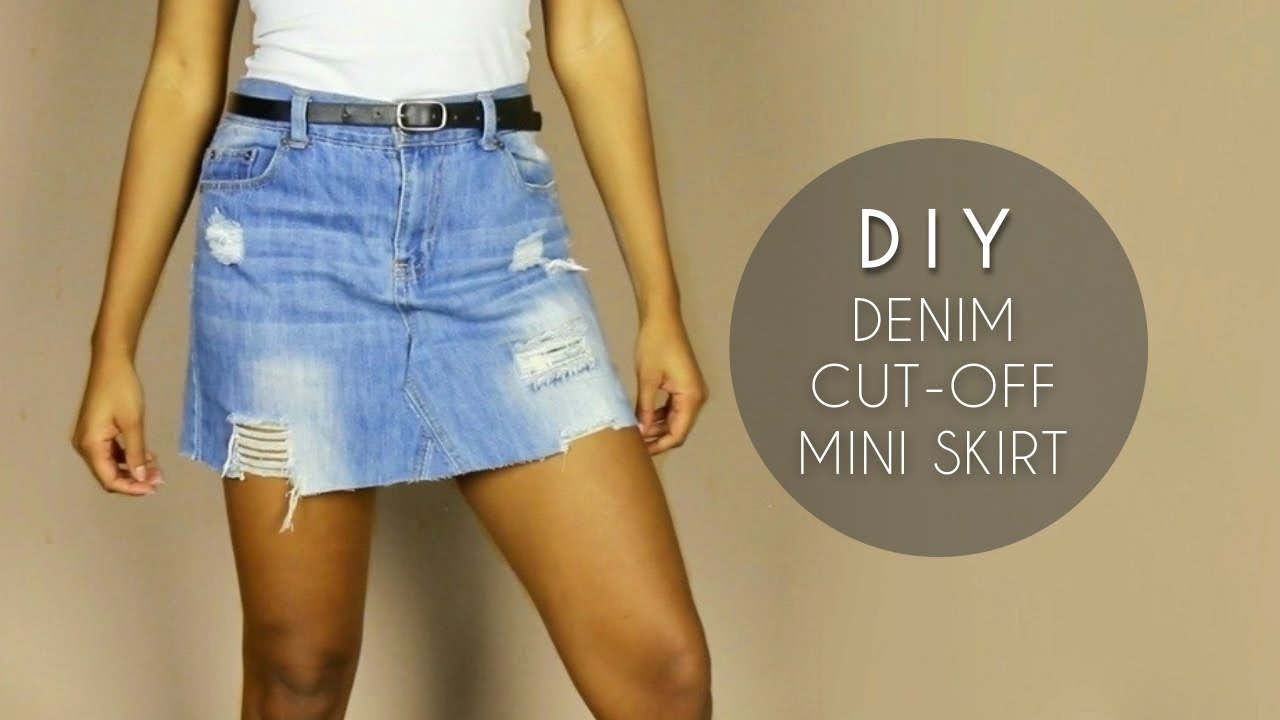
Image Source: i.ytimg.com
Getting Your Supplies Ready
Before you start this fun project, get all your tools and materials together. Having everything ready makes the job go smoothly.
What You Will Need:
- A pair of shorts you want to change
- Sharp fabric scissors
- Measuring tape or a ruler
- Fabric marker or tailor’s chalk (optional, for marking cuts)
- Fabric clips or clothespins
- Iron and ironing board (needed for some methods)
- The main joining material (choose one):
- Good quality
fabric glue for clothing(check the label to be sure it works on fabric and is washable) - Iron-on hem tape (also called fusible web)
- Good quality
- Material for finishing the hem (choose one, can be the same as above):
Fabric glue for clothing- Iron-on hem tape
- Liquid fray stopper (optional, for raw edges)
- Extra fabric or trim (optional, for decoration)
- Wax paper or cardboard (to put inside the fabric when gluing)
Picking the Right Shorts
Not all shorts work the same for this project. Picking the right pair is important for the best result.
What to Look For:
- Fabric Type: Cotton and denim work very well. They are stable and easy to cut and glue. Stretchy fabrics can be harder to work with when not sewing.
- Fit Around the Waist and Hips: The top part of the shorts will be the top part of your skirt. Make sure the shorts fit well around your waist or hips, depending on where you want the skirt to sit.
- Leg Width: Shorts with wider legs give you more fabric to work with. This makes it easier to join the front and back to make a full skirt shape. Very tight shorts might not have enough fabric.
- Condition: Use shorts that are still in good shape, with working zippers or buttons.
Denim shorts are a popular choice. They are sturdy and the edges can look cool if you choose a raw hem. Cotton shorts are also great and come in many colors and patterns.
Getting Your Shorts Ready to Cut
Before you start cutting shorts to make skirt, a little prep helps a lot.
Steps to Prepare:
- Wash and Dry: Wash the shorts first. This cleans them and also shrinks them if they are going to shrink. Work with the fabric as it will be after washing.
- Iron (Optional but Recommended): Ironing the shorts makes the fabric flat and smooth. This makes cutting and gluing much easier and more precise.
- Lay Flat: Place the shorts flat on a large table or the floor. Smooth out any wrinkles.
Making the Cuts: Releasing the Legs
This is where you start changing the shorts’ shape. You will cut off the leg seams to open the fabric.
How to Make the Cuts:
- Find the Crotch Seams: The crotch area has seams that join the front and back legs together. There’s usually one seam running from the front waistband down to the back waistband between the legs, and smaller seams joining the inside of the legs.
- Cut Along the Seams: Carefully use sharp scissors to cut just along the inside seams of the legs. Cut from the bottom of the leg opening all the way up to the main crotch seam intersection. Cut through both layers of fabric (front and back leg on each side).
- Open the Legs: Once you cut these seams, the legs will open up. You will have the front part of the shorts with the front leg pieces attached, and the back part with the back leg pieces attached.
- Consider the Curve: The crotch seam is curved. You will need to decide how much of this curve to cut away. For a simple skirt shape, you want the front and back pieces to be as straight as possible where they will join. You might need to cut away a little more of the curve right at the top of the leg seam area to create straighter edges. Lay the shorts flat and visualize the straight line you want. Mark it with chalk if needed. Cut carefully along your marked line or estimated straight path. You are essentially removing the curved crotch fabric to create two separate fabric panels (front and back) that you can then join.
A Note on Cutting:
Cut slowly and carefully. Uneven cuts can make it harder to join the pieces smoothly. Remember, you can always cut off a little more, but you can’t add fabric back! If you are unsure, cut less at first and adjust later.
Opening Up the Fabric Panels
After cutting the seams, lay the shorts flat again. The fabric from the legs is now open. You will see you have a front panel and a back panel. These panels used to be the insides of the shorts’ legs. You will use this extra fabric to fill the gap left by cutting out the crotch.
Lay the front panel flat, then lay the back panel flat. You should have two pieces of fabric connected at the sides and waist, but separated in the middle where you cut.
Joining the Front and Back Panels (No Sewing Involved!)
This is the core step of no sew skirt from shorts. You will connect the inner edges of the front and back panels using glue or iron-on tape. This creates the continuous front and back of your new skirt.
Method 1: Using Fabric Glue
Fabric glue for clothing is a powerful tool for transforming shorts without sewing. Choose a glue that says it’s for fabric, is flexible when dry, and is washable.
- Overlap the Edges: Lay the shorts flat with the inside out. Take one of the cut edges of the front panel and overlap it slightly with the corresponding cut edge of the back panel. The amount of overlap depends on how wide you want the skirt. A small overlap (about 1/2 inch to 1 inch) is usually enough to create a strong bond and a simple A-line shape.
- Insert Protection: Slide a piece of wax paper or cardboard between the layers of the skirt fabric, right under the edges you are about to glue. This stops the glue from sticking the front of the skirt to the back where you don’t want it to stick.
- Apply the Glue: Carefully lift the top layer slightly. Apply a thin, even line of
fabric glue for clothingalong the edge of the bottom layer where the overlap will happen. Follow the glue manufacturer’s instructions. Don’t use too much, as it can seep through and look messy. - Press Together: Lay the top fabric edge down onto the glue line. Press down firmly along the entire seam. Use fabric clips or clothespins to hold the edges together while the glue dries. Place clips every few inches.
- Let it Dry: Leave the clips in place and let the glue dry completely. This can take several hours or even overnight, depending on the glue and the amount used. Check the glue instructions for drying times. Do not rush this step!
- Repeat for the Other Side: Once the first glued seam is dry and secure, repeat the process on the other side to join the other two cut edges.
Method 2: Using Iron-On Hem Tape (Fusible Web)
Iron-on hem tape is a web-like material that melts and glues fabric together when heated with an iron. It’s great for hemming fabric without sewing and can also be used for seams.
- Overlap the Edges: Just like with glue, overlap the cut edges of the front and back panels on the inside of the shorts. Decide on your desired overlap amount.
- Place the Tape: Cut a strip of iron-on hem tape slightly shorter than the seam you are joining. Place the tape between the two fabric layers you want to join, right along the line where they overlap. Make sure the tape is completely covered by fabric on both sides.
- Protect Your Ironing Board: Place wax paper or a pressing cloth on your ironing board to protect it from any tape that might squeeze out.
- Iron the Seam: Set your iron to the correct heat setting for your fabric (check the tape instructions). Press the iron down firmly onto the overlapped fabric where the tape is placed. Hold the iron in place for the time recommended by the tape manufacturer (usually 10-20 seconds). Do not slide the iron.
- Lift and Repeat: Lift the iron and move to the next section of the seam, overlapping the iron placement slightly. Continue pressing along the entire seam.
- Let it Cool: Let the fabric cool completely before moving it or testing the seam. The bond gets stronger as it cools.
- Repeat for the Other Side: Once the first side is cool and bonded, repeat the process on the other side to join the remaining two cut edges.
Tips for Joining:
- Test First: If you have scrap fabric from the shorts or a similar material, test your glue or iron-on tape on it first. See how it holds and looks when dry.
- Be Patient: No-sew methods need time to bond. Don’t pull or stress the seams until they are fully set.
- Check the Inside: Once the seams are dry, check the inside of the skirt. Trim any excess glue or tape that might be showing or feel rough.
Finishing the Bottom Edge (No Sewing Hemming!)
Now you have a basic skirt shape, but the bottom edge (where the original leg hems were) is likely uneven and might fray. You need to finish this edge, which is also called hemming fabric without sewing.
Options for a No-Sew Hem:
- Fabric Glue Hem:
- Turn the skirt inside out.
- Fold the raw edge up towards the inside by about 1/2 inch. Press this fold with your fingers or an iron.
- Fold it up again another 1/2 inch, hiding the raw edge inside the fold. Press this double fold.
- Apply a thin line of
fabric glue for clothinginside this double fold, close to the hidden raw edge. - Press the folded hem down firmly. Use clips to hold it in place while the glue dries completely.
- Iron-On Hem Tape Hem:
- Turn the skirt inside out.
- Fold the raw edge up towards the inside by about 1/2 inch. Press this fold with your fingers or an iron.
- Fold it up again another 1/2 inch, hiding the raw edge inside the fold. Press this double fold.
- Cut strips of iron-on hem tape to fit inside the folded hem. Place the tape as close to the first fold as possible.
- Follow the instructions for your tape: Place a pressing cloth over the hem and press firmly with a hot iron for the recommended time, moving along the hem.
- Raw Edge Hem (Great for Denim):
- If you like a distressed, casual look, especially with denim, you can leave the bottom edge raw.
- You can trim the edge neatly and evenly.
- To prevent too much fraying, apply a little liquid fray stopper along the cut edge.
- Washing the skirt will encourage the edges to fray slightly, creating that worn look. You can also rub the edge with sandpaper to help it fray.
- Adding Trim:
- Instead of folding a hem, you can glue a piece of trim (like lace, ribbon, or fringe) to the bottom edge.
- Apply
fabric glue for clothingdirectly to the skirt’s edge or to the trim. - Carefully press the trim onto the edge, covering the raw fabric. Use clips to hold it while it dries. Make sure the glue is suitable for the trim material as well as the skirt fabric.
Choose the hemming method that you like best and that works with your chosen fabric. A folded and glued/taped hem looks neater and more finished, while a raw edge is more casual.
Adding Personal Touches and Styling
Now that your basic skirt shape is done, you can make it uniquely yours! This is where the repurpose shorts skirt really comes to life with your style.
Ways to Customize:
- Distressing: For denim, you can add more rips or fades using scissors, sandpaper, or a cheese grater. Do this before or after joining the seams, but be careful not to damage your new seams if you do it after.
- Patches: Iron-on or glue-on patches are an easy no-sew way to add color and personality.
- Fabric Paint or Markers: Add designs, stencils, or freehand drawings.
- Studs or Embellishments: You can find studs, rhinestones, or beads that can be attached without sewing, often by pushing prongs through the fabric or using special strong glue.
- Adding Pockets (No-Sew): While adding traditional patch pockets might be tough without sewing securely, you can glue fabric shapes onto the skirt as decorative elements that look like pockets. Use a strong fabric glue and apply it along the edges where a pocket would attach.
Get creative! Think about the style you want and what simple no-sew decorations can help you achieve it.
Comparing No-Sew Joining Methods
Let’s look at the two main ways to join the fabric edges without a machine: fabric glue and iron-on tape.
| Feature | Fabric Glue for Clothing | Iron-On Hem Tape (Fusible Web) |
|---|---|---|
| Process | Apply liquid glue, press, clip, dry | Place tape between fabric, iron |
| Requires Heat? | No | Yes (Iron) |
| Time to Bond | Hours to overnight (drying time) | Minutes (cooling time) |
| Ease of Use | Simple application, just need to wait | Simple, need iron skills |
| Flexibility | Some glues are very flexible when dry | Can be stiffer than glue or sewing |
| Best For | Most fabrics, curved seams (can be tricky) | Straight lines, hems, stable fabrics |
| Visibility | Can sometimes seep through or be visible | Usually not visible if applied right |
| Durability | Varies by product quality | Varies by product quality |
| Mess Potential | Can be messy if too much is used | Less messy, but can stick to iron |
Both methods work well for this project. Fabric glue gives more flexibility if the seams aren’t perfectly straight after cutting. Iron-on tape is faster to bond if you are comfortable using an iron. For a beginner, both are good options for a no sew skirt from shorts.
Taking Care of Your No-Sew Skirt
Washing your new skirt needs a little care to make sure your no-sew seams stay strong.
Washing Tips:
- Read Glue/Tape Instructions: Check the specific care instructions for the fabric glue or iron-on tape you used. They will tell you recommended washing temperatures and whether you can use a dryer.
- Wash Gently: Use a gentle cycle on your washing machine. Cold or warm water is usually better than hot water for adhesives.
- Turn Inside Out: Wash the skirt inside out. This protects the glued or taped seams from rubbing against other clothes in the wash.
- Use Mild Detergent: Avoid harsh chemicals or bleach.
- Air Dry (Recommended): Hanging the skirt to air dry is the safest option. High heat in a dryer can sometimes weaken adhesives. If you must use a dryer, use a low heat setting.
Proper care will help your repurpose shorts skirt last longer.
The Benefits of Upcycling Your Clothes
This DIY shorts to skirt project is more than just making a new piece of clothing. It’s about upcycle shorts into skirt and being creative and mindful.
Why Upcycling Matters:
- Environmentally Friendly: Making new clothes uses lots of water, energy, and materials. By reusing shorts, you save resources and reduce waste. It keeps textiles out of landfills.
- Saves Money: Why buy a new skirt when you can make one from something you already own? This is a very budget-friendly way to update your wardrobe.
- Unique Style: Your upcycled skirt will be unique! No one else will have the exact same one. You get to control the design and fit.
- Develops Creativity: Thinking about how to
repurpose shorts skirtencourages creative problem-solving and hands-on skills, even without sewing. - Easy Entry to DIY: This project is simple and doesn’t need special skills or expensive tools like a sewing machine. It’s perfect for anyone wanting to try
no sew clothing alterations.
Turning shorts into a skirt without sewing is a simple but rewarding way to engage in sustainable fashion and express your personal style.
Safety While Crafting
Even though this is a no-sew project, you still need to be careful.
Important Safety Tips:
- Sharp Scissors: Use sharp scissors carefully. Always cut away from your body. Keep fingers clear of the blades. Store scissors safely when not in use.
- Iron Safety: If using iron-on tape, be very careful with a hot iron. Follow the iron’s safety instructions. Do not leave a hot iron unattended. Use an ironing board and protect the surface.
- Fabric Glue: Use fabric glue in a well-ventilated area. Avoid getting glue on your skin. If you do, wash it off right away. Keep glue away from children and pets.
Following these simple safety tips will help ensure your project is fun and safe.
Reflecting on the Process
You’ve now learned how to take a pair of shorts and transforming shorts without sewing into a skirt. You cut the legs, joined the fabric panels using fabric glue for clothing or iron-on tape, and finished the hem with hemming fabric without sewing.
This beginner no sew skirt project shows that you don’t need complex skills or equipment to change your clothes. It’s accessible and allows you to update your look or make something new from old items.
The process of cutting shorts to make skirt and then using adhesives to create new seams and finish edges is a core part of no sew clothing alterations. It opens up possibilities for other simple projects too.
Think about how versatile this skill is. You could change the length, add different trims, or combine pieces from more than one pair of shorts to create a truly unique DIY shorts to skirt.
Frequently Asked Questions (FAQ)
Here are some common questions about turning shorts into a skirt without sewing:
h4: Can I wash a skirt made with fabric glue?
h5: Yes, most quality fabric glue for clothing is washable. Check the specific glue’s label for washing instructions. It’s often best to wash on a gentle cycle in cold or warm water and air dry.
h4: How long will a no-sew skirt last?
h5: The durability depends on the quality of the adhesive used (fabric glue for clothing or iron-on tape), how well you applied it, the fabric type, and how you care for the skirt. With good materials and gentle care, it can last for many wears and washes. It might not be as strong as a sewn seam in the long run, but it holds up well for casual wear.
h4: Will fabric glue work on all types of fabric?
h5: Fabric glue for clothing works best on natural fabrics like cotton and denim. It can be less effective on very thin, slippery, or heavily textured fabrics. Always check the glue label to see what fabrics it is recommended for.
h4: Is iron-on hem tape better than fabric glue?
h5: Neither is strictly “better,” they are different methods. Iron-on tape is faster to set (just needs to cool) and can create a clean, flat bond, especially for hems. Fabric glue offers more flexibility, which can be helpful for slightly curved seams, and doesn’t require an iron. The best choice depends on your preference, the fabric, and whether you have an iron available. Both are excellent for hemming fabric without sewing.
h4: What if the glue or tape doesn’t hold?
h5: This can happen if the adhesive wasn’t applied correctly, didn’t have enough time to dry/cool, or wasn’t suitable for the fabric. You can try reapplying the adhesive to the loose section. Make sure the fabric is clean and dry, apply the adhesive properly, and allow sufficient bonding time. If using iron-on tape, ensure your iron is hot enough and you are applying firm pressure.
h4: Can I use this method on stretchy shorts?
h5: Working with very stretchy fabrics without sewing is challenging because adhesives may not stretch with the fabric and can break or crack. It’s recommended to start with non-stretchy fabrics like denim or cotton for your first beginner no sew skirt project.
h4: How much fabric do I need to overlap when joining the panels?
h5: A 1/2 inch to 1 inch overlap is usually enough to create a strong bond with fabric glue for clothing or iron-on tape. More overlap adds width but also uses up more of the available fabric, potentially making the skirt narrower.
Wrapping Up Your Project
You have successfully completed the DIY shorts to skirt project! You used simple tools and fabric glue for clothing or iron-on tape to create a brand new piece of clothing from old shorts.
You mastered cutting shorts to make skirt, joining fabric with no sew clothing alterations methods, and hemming fabric without sewing. This is a great skill for anyone wanting to repurpose shorts skirt or do other simple transforming shorts without sewing projects.
Enjoy wearing your new upcycled skirt! It’s a testament to your creativity and a smart way to give clothes a second chance. Share your creation with friends and inspire them to try this easy no sew skirt from shorts project too!